Infiltrator is a multi-effect processor that lets you stack, sequence, and modulate up to ten effects at once inside a single plug-in slot — and then twist the whole chain into something unrecognizable with deep modulation. Here's the typical chain when I drop it on a dull synth stab or a static drum loop.
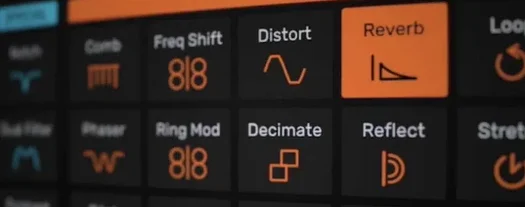
- Pick your first effect from the 54 available — analog-modeled filters, distortions, granular chaos, delays, and the kinds of spectral weirdness that make a client lean forward in their chair. Version 2 doubled the count compared to the original release.
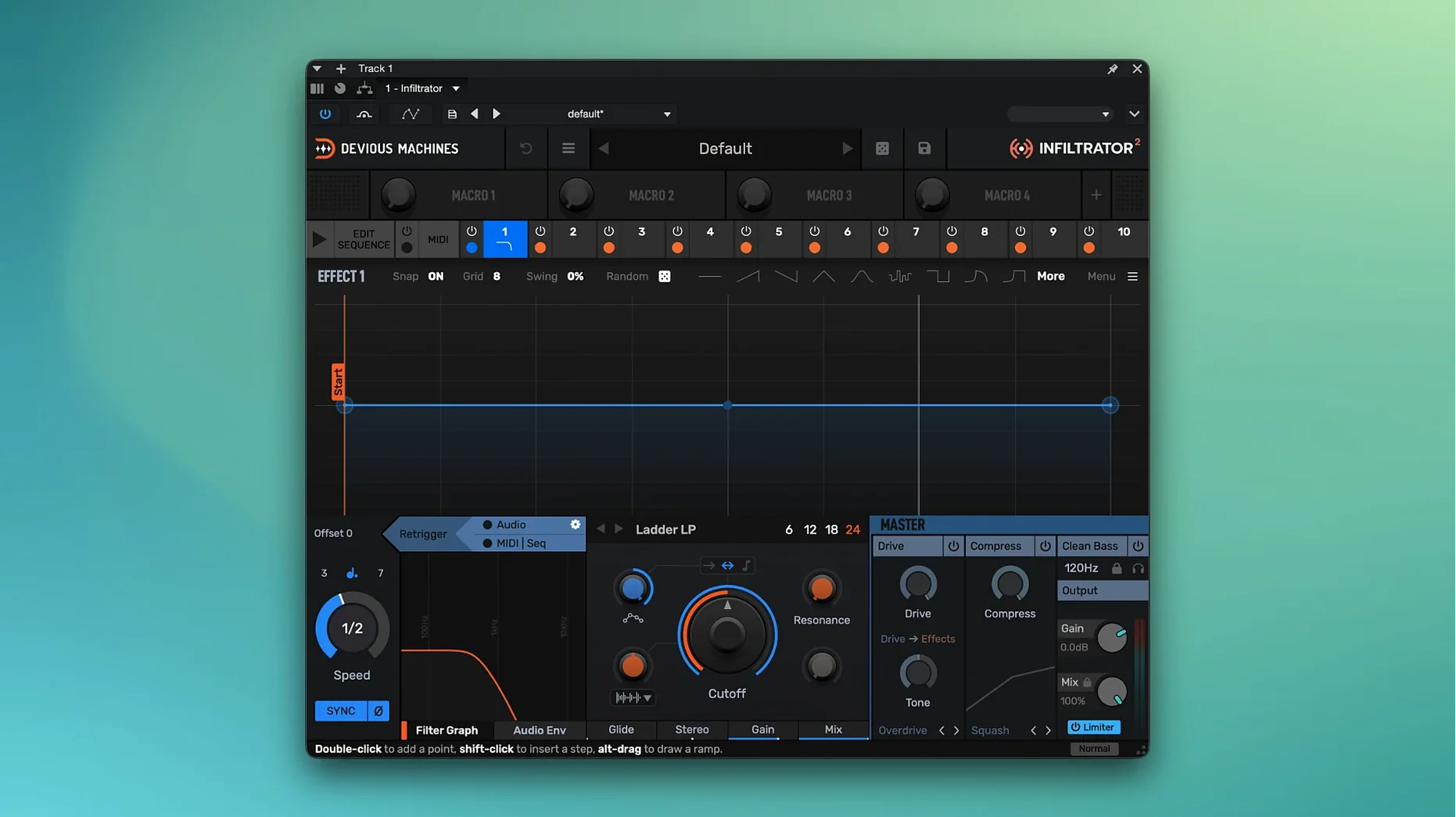
- Stack more effects in a row. Each slot runs in series, so a saturator hitting a comb filter hitting a reverb becomes one playable instrument of destruction.
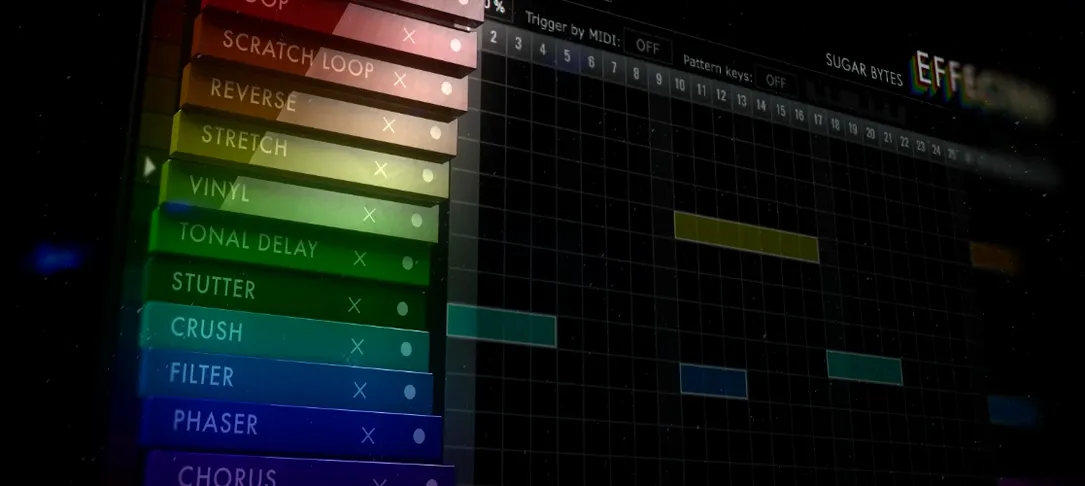
- Draw a modulation curve on the built-in sequencer. You get up to ten independent lanes, one per effect, with custom beat divisions for tempo-synced movement. A kick pattern can duck a filter cutoff on the sixteenth note, or a slow ramp can pull a sample into bit-crushed silence over two bars.
- Tame the output with the new limiter that landed in 2.5 — a small but critical add when you're pushing resonance into the red and a render deadline is thirty minutes away.
The real grab is how fast you get from “flat DI bass” to something that sounds like it was run through a modular rig and resampled twice. It shows up as VST, VST3, AU, and AAX on any Mac running OS X 10.11 or newer, Apple Silicon native included, so Logic, Ableton, and Pro Tools users all get the same playground.
A Sound Designer's Tuesday Afternoon
Mid-project, a game audio designer gets a Slack message: the creature vocal for a boss fight needs to “feel like it’s talking from inside a collapsing star.” No time to chain five plug-ins and automate six knobs. They drop Infiltrator on the dry vocal track, pick a comb filter into a frequency shifter into a dense reverb, then draw a single modulation lane that sweeps the comb filter resonance while the shifter drifts upward. Three minutes, one instance, and the animation lead replies “perfect, don’t change a thing.” That’s the muscle this plug-in flexes — not just the effect count, but how fast a complex idea becomes a committed render.
White Noise Bursts Are Demo Mode Knocking
First headache most people bump into: the plug-in spits out a short burst of white noise. That’s the demo mode speaking — it does that every so often when no license is detected. No setting disables it, and it’ll sneak into a bounce if you’re not paying attention. Solution: check your activation status early, not five minutes before a delivery.
Another common one: a Logic project from 2021 opens and the original Infiltrator instance loads with missing modulation lanes. The product page says version 2 is fully compatible with projects that used the first release, but a few users report that custom beat-division settings don’t always translate cleanly. If a lane looks blank, toggle the division knob — that usually kicks the sequencer back into reading the saved data.
CPU spikes happen when you stack ten effects with independent modulation curves, especially spectral or granular modules. Freeze or bounce the track if your buffer size is already maxed out. The new output limiter in 2.5 helps tame runaway peaks, but it won’t stop a complex curve from eating cycles.
Soundtoys Effect Rack Locks Modulation to One Global Clock
Set it next to Soundtoys Effect Rack and the differences snap into focus. Effect Rack gives you five slots and the excellent analog-modeled sound of the individual Soundtoys plugins, but the modulation system ties you to a global rhythm or MIDI input — no per-effect sequencer lanes with independent step lengths. Infiltrator’s ten modulation lanes running custom beat divisions put it in a different category for rhythmically precise sound design. Effect Rack wins on raw analog warmth; Infiltrator wins on movement.
Against Kilohearts Snap Heap, the comparison flips. Snap Heap also lets you stack effects and modulate parameters, and the modular snap-in ecosystem is absurdly deep. But Infiltrator centralizes the sequencer as the heart of the interface — you see all ten lanes at once, stacked vertically, and you draw them with the same tool. Snap Heap requires you to open separate modulator snap-ins and route them manually. Infiltrator’s approach is less flexible in routing but much faster for sequenced, tempo-locked results.
Glitchmachines Fracture XT is the other one producers ask about. Fracture XT is purpose-built for stutter, buffer-mangling, and glitch, and it does that with a dedicated set of controls that Infiltrator doesn’t replicate exactly. But Fracture XT doesn’t do analog filter models or long reverb tails — Infiltrator covers those alongside the glitchier modules. If you want a focused glitch tool, Fracture XT is tighter. If you want one plug-in that can do glitch, filtering, saturation, and space in a single sequenced chain, Infiltrator pulls ahead.
Stacking Distortions Without Trimming the Output
Stacking five distortion modules in a row and wondering why the output is a square wave. The effects run in series, and each one compounds the last — gain staging inside the plug-in matters. Pull back the dry/wet or output level on early slots before adding more saturation downstream.
Drawing a complex modulation curve and forgetting to set the sequencer length. The default is often shorter than the phrase they’re working on, so the movement loops awkwardly. Match the step count to your bar length before you start drawing, or use the custom beat divisions to stretch a curve across an odd time signature.
Ignoring the new output limiter entirely. In 2.5, it sits at the end of the chain and defaults to off. Resonant filter sweeps and stacked distortions push levels fast — a few seconds of white noise in demo mode is one thing, but a blown tweeter is another. Click it on, set a ceiling, and check your render levels.
A new output limiter keeps runaway resonance in check, and custom beat divisions give tempo-synced modulation way more rhythmic precision.
Also fixed: the current Mac build is 2.5.26.
- macOS 10.11 or later
- Apple Silicon or Intel processor
- VST, VST3, AU, or AAX compatible host
Questions I actually get
What formats does Infiltrator 2 support on Mac?
Infiltrator 2.5.26 runs in VST, VST3, AU, and AAX formats on macOS 10.11 and above, with native Apple Silicon support.
Notes from the edit bay · 0
Sign in or get an edit-bay pass to leave a note.
No notes from the edit bay yet. They go up after I read them.