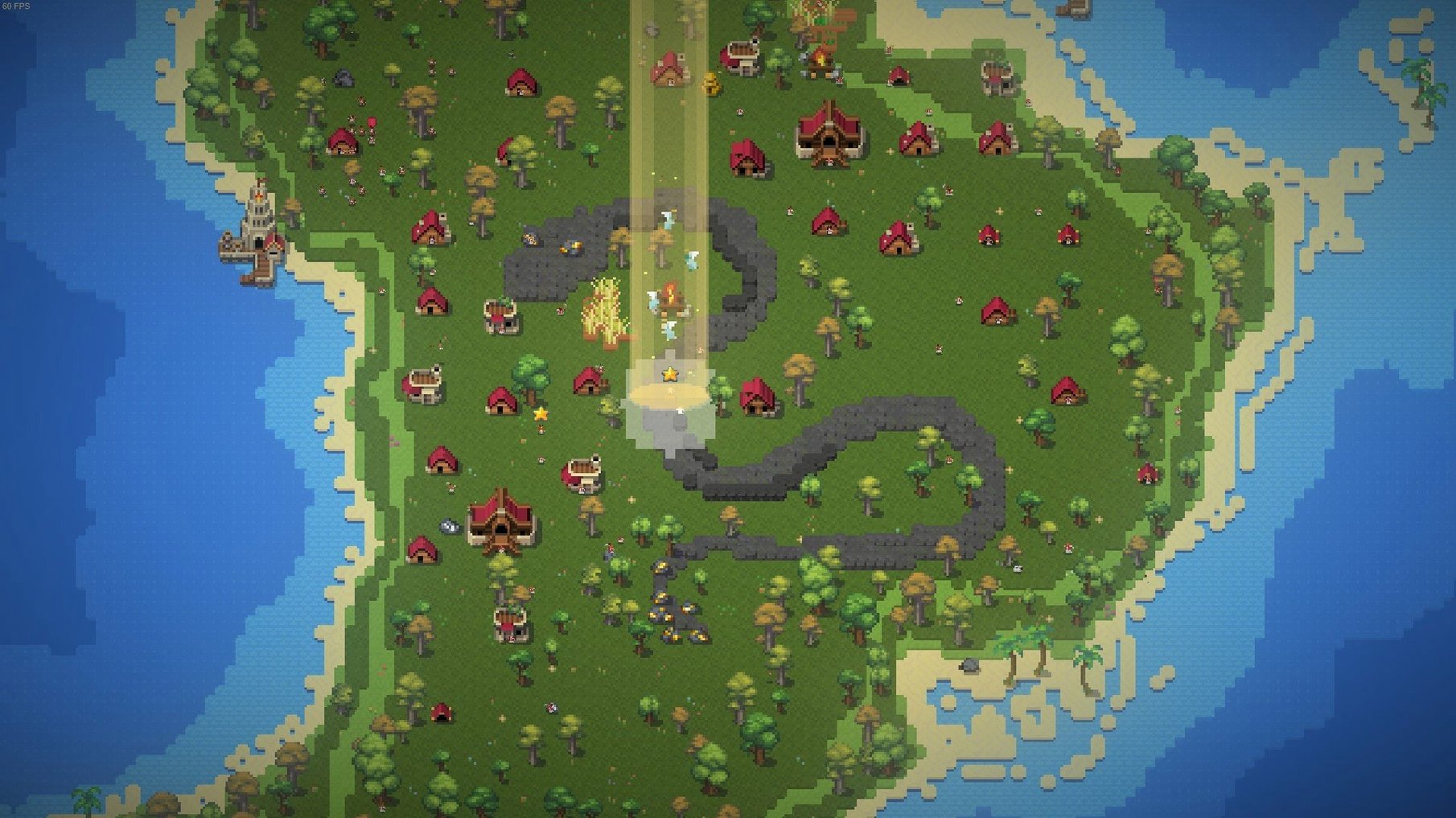
The latest build, version 0.51.2 fix, landed on a Mac mini M4 without a hiccup, keeping the simulation smooth while empires crumble. That stability matters when you're zooming through centuries in a coffee-fueled afternoon.
| Key Detail | Quick Fact |
|---|---|
| Version tested | 0.51.2 fix |
| Architecture | Intel (macOS Tahoe ready) |
| Core loop | Spawn, observe, intervene, destroy |
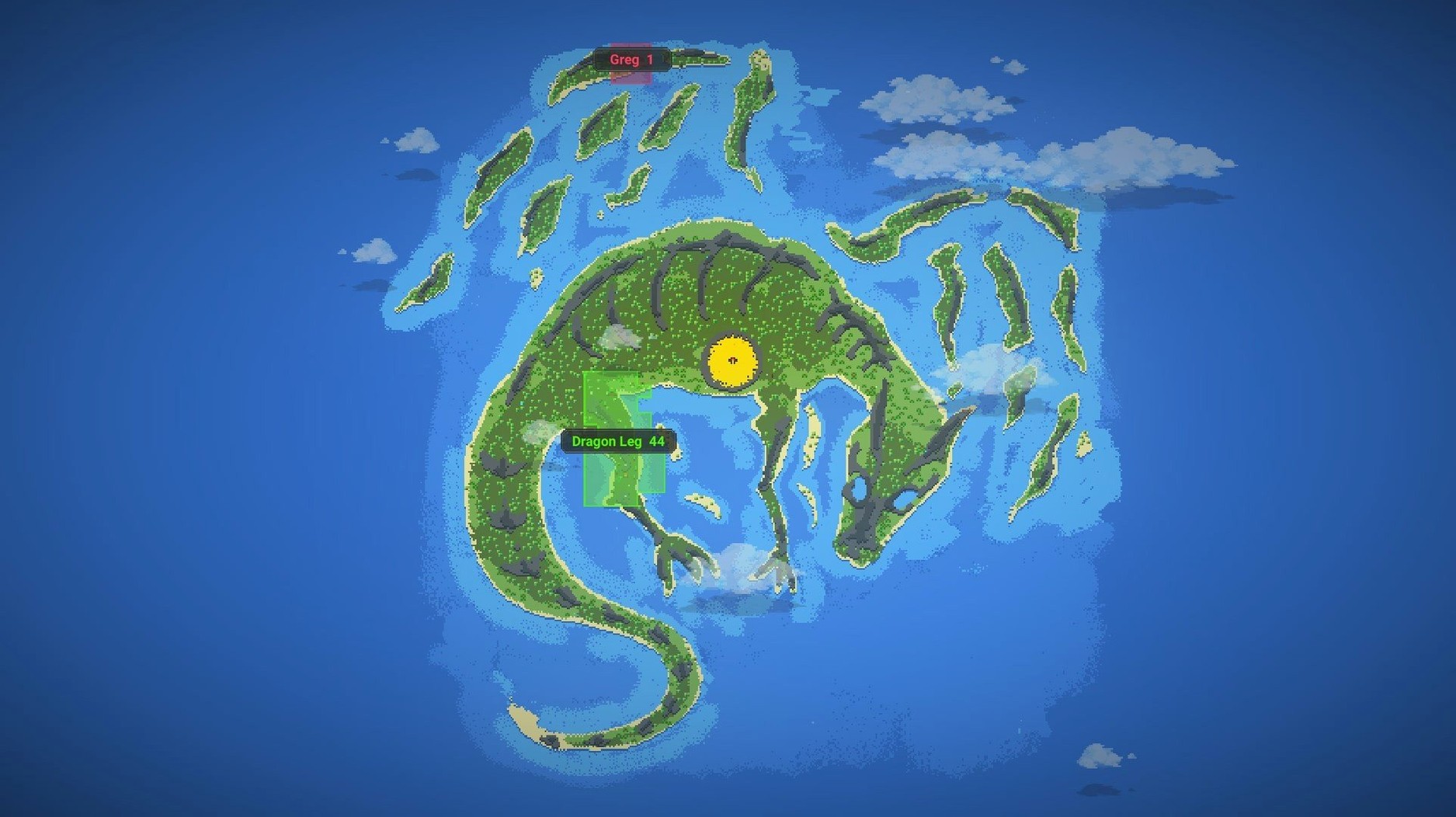
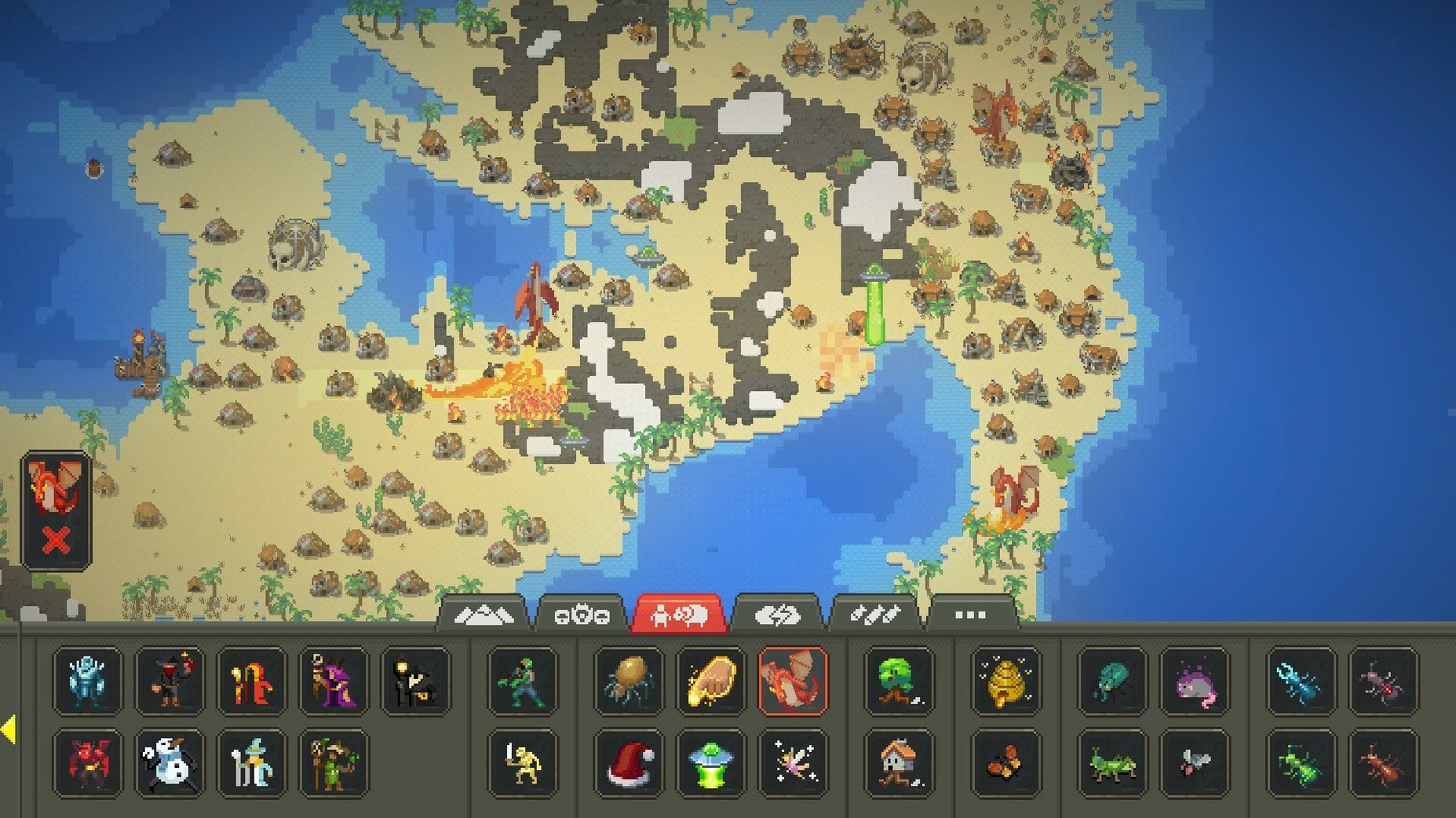
Minute to minute, you're less a grand strategist and more a cosmic landscaper with a caffeine buzz. You drop a mountain range to see if it isolates a village. You dump a patch of cursed biome and watch the wildlife warp. Each race — from pointy-eared elves to stubborn dwarves — has its own look and traits, so their little kingdom flags and colony ships feel genuinely distinct, not just palette-swapped. They'll form kingdoms with procedurally generated names and banners, bicker over borders, and launch raids without you touching a thing. Creatures have needs and qualities that drive their behavior, making a hands-off world just as entertaining as one you micromanage. The magnet tool lets you fling storms or scoop up bears when diplomacy gets dull. And when a kingdom's smug flag finally irritates you, a well-placed asteroid reminds everyone who's actually running the simulation.
My Afternoon With a Fresh World
I started with the largest map the generator would spit out. Forests, a slice of desert, an ocean rim. Nothing alive yet. That's the part where half the fun lives — the blank canvas before anyone builds a castle.
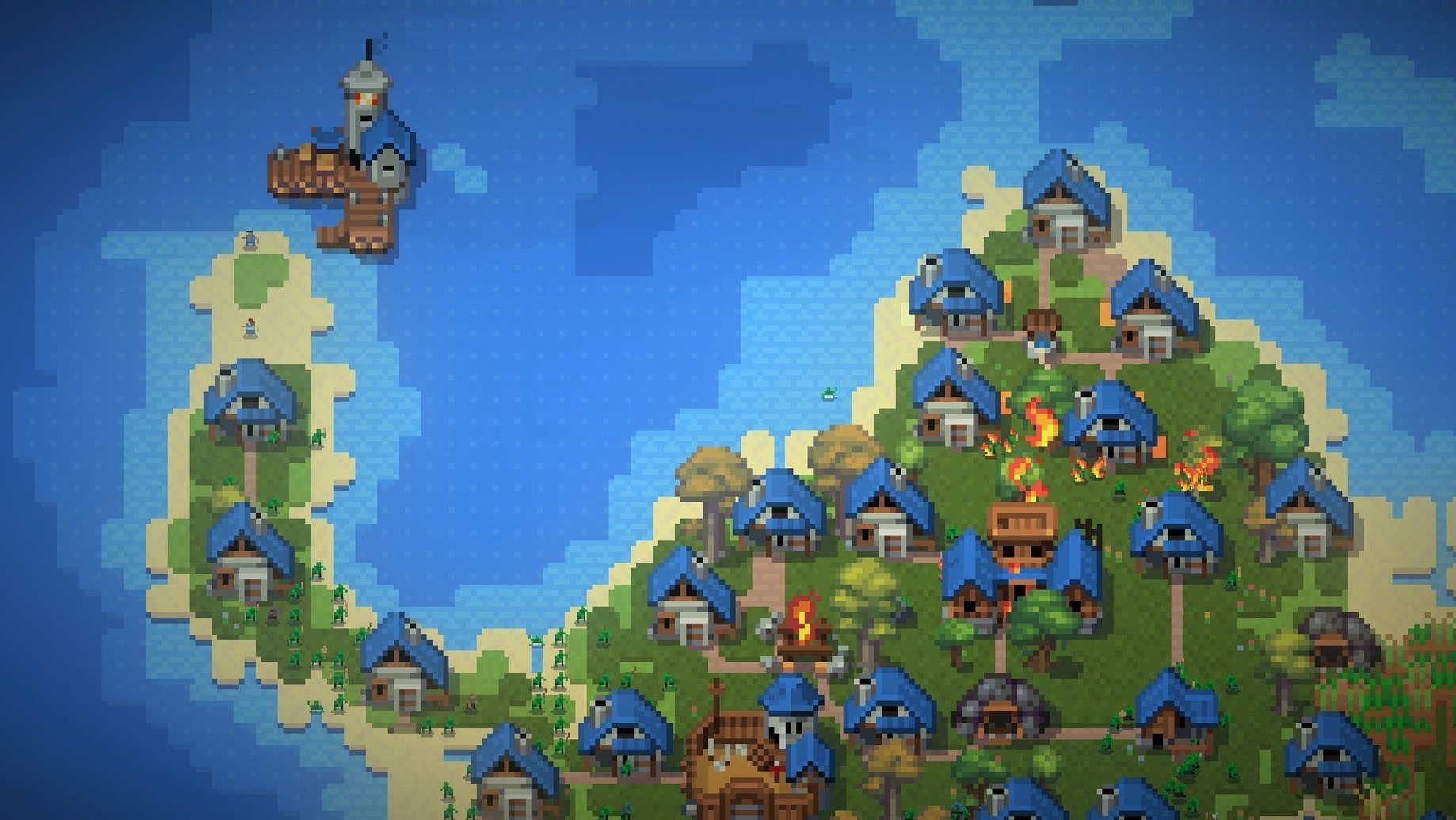
I dropped a patch of fertile soil dead center and scattered humans in groups of four. They immediately clustered, built a campfire, and started naming things. Three minutes later they'd crowned a king with a ridiculous name and a flag that looked like a potato. Elves went into the eastern woods. Dwarves got the mountain range up north. Orcs I dumped in the badlands down south and immediately felt guilty — they had to fight for every scrap while the humans threw festivals.
Then I let the clock run. I didn't touch a single power for twenty minutes. The humans colonized the coast. Dwarves tunneled into the mountain and stayed there, stubborn as advertised. The elves built three separate kingdoms and immediately started sniping at each other. Orcs fought wolves, then each other, then started winning. By year 400, the humans had discovered boats and a whole second continent was being mapped by little pixelated caravels. I hadn't done any of it — I just watched.
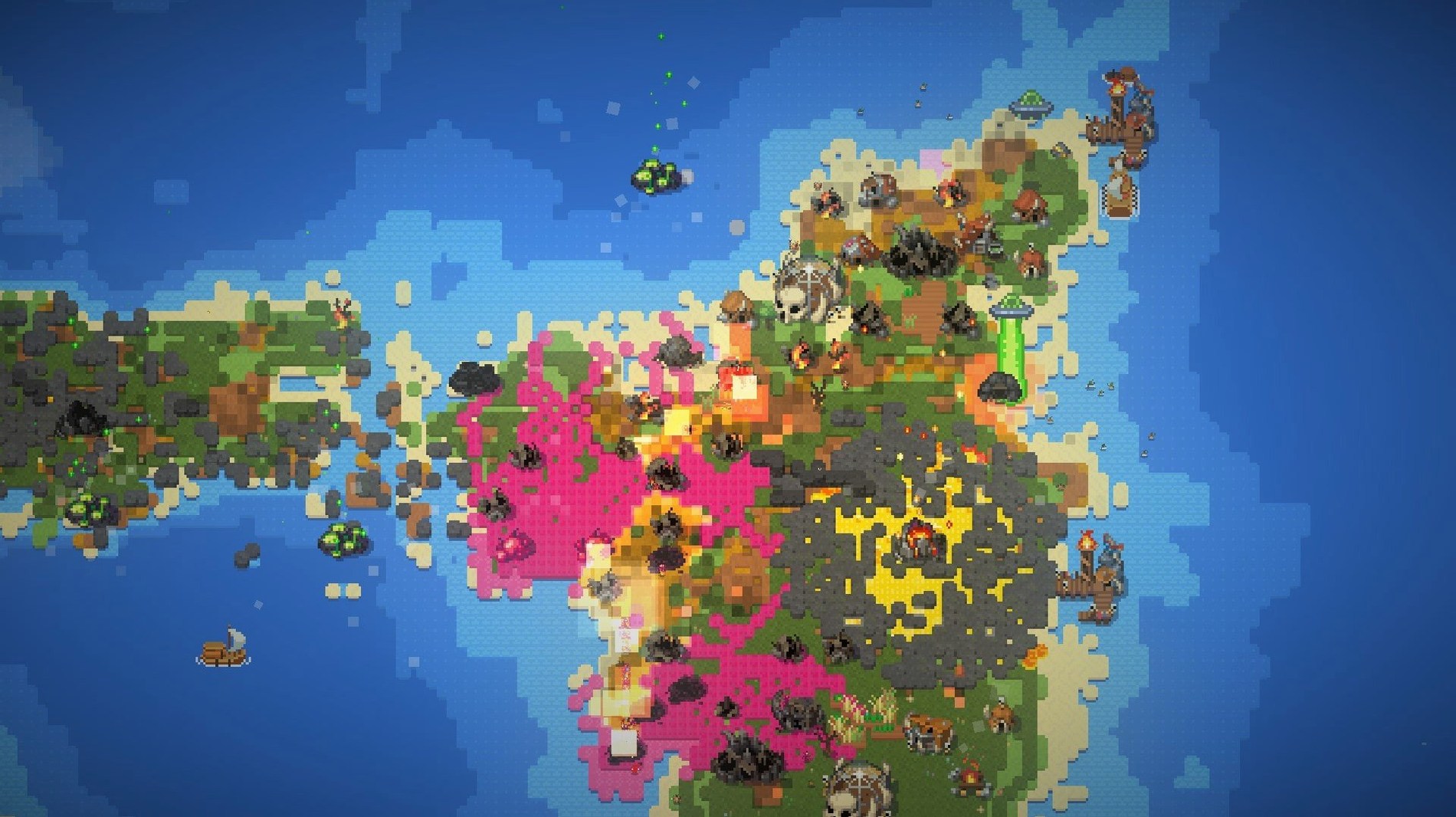
That's when I decided the elves needed a challenge and spawned a tumor biome near their capital. It spread. They panicked. The dwarves, naturally, did nothing. A half-hour session turned into two hours before I even noticed I'd missed lunch.
Let Civilizations Surprise You Before Stepping In
Don't try to control everything at once. The game sings when you lean into the observer role, not the puppet master. For your first few maps, try this rhythm: create two races, give them distinct biomes separated by ocean, and spend twenty minutes just watching. You'll learn what each race does when you're not hovering, and you'll spot the natural friction points where your intervention actually matters.
Learn the magnet tool early. It's your mouse-in-the-terrarium tool — you can pick up any creature and drop it somewhere it doesn't belong. A single orc in an elven capital can kick off a three-generation war that's more entertaining than anything you'd script manually. The tool also scoops up bears. I don't know why you'd want to relocate bears, but you can.
Save your world before you reach for the atomic bomb. Always. The bomb erases kingdoms in a blink, and the regret hits faster than you'd think when you realize you just vaporized a four-hundred-year-old civilization with a flag you'd grown weirdly fond of. Keep a "before the chaos" save slot and use it liberally.
If you're hunting for a worldbox - god simulator mac full version to settle into, this is the kind of build that rewards patience. The procedural kingdoms are the real star, not your lightning bolts. Let them cook.
Drop the Strategy Mindset Before Your First Empire
The biggest mistake is treating it like a strategy game you're supposed to win. There's no victory condition. No scoreboard. You're not the general — you're the weather. People who try to micromanage every village burn out in two hours and miss the point entirely. The simulation has its own momentum; fight it and you'll just get frustrated that the orcs won't colonize where you want them to.
Another classic: spawning too many creatures on day one. A map crammed with six kingdoms, three necromancers, and Crabzilla from the start is just noise. The engine runs fine on the Mac mini, but your brain doesn't. Start sparse. Let populations grow into the space rather than filling it all at once. The stories that emerge from a slow-build world are always better than the ones you force.
New players also sleep on the inspect tool because the interface doesn't shove it in your face. Click any creature, tree, or kingdom banner and you'll see a stat sheet — health, traits, needs, relationships. Those details turn a blob of sprites into a little soap opera. You'll find kings with tragic backstories, wolves that have killed more elves than any dragon, and cities teetering on rebellion because bread ran out. The game doesn't advertise these stories; you have to poke around to find them.
Last one: don't nuke your first world before you've seen a rebellion. I get it — the destructive powers are right there, and the lightning tool feels satisfying. But let a city hit rock-bottom first. Watch the flags change. A rebellion that succeeds without your help is a better plot twist than anything you can spawn manually.
- macOS (tested on Tahoe)
- Intel-based Mac
Questions I actually get
What do you actually do in WorldBox?
You paint terrain, spawn creatures with distinct traits, and watch them build kingdoms, colonize land, and fight wars — or you fast-track the drama with plagues, tornadoes, and orbital strikes.
Notes from the edit bay · 0
Sign in or get an edit-bay pass to leave a note.
No notes from the edit bay yet. They go up after I read them.