
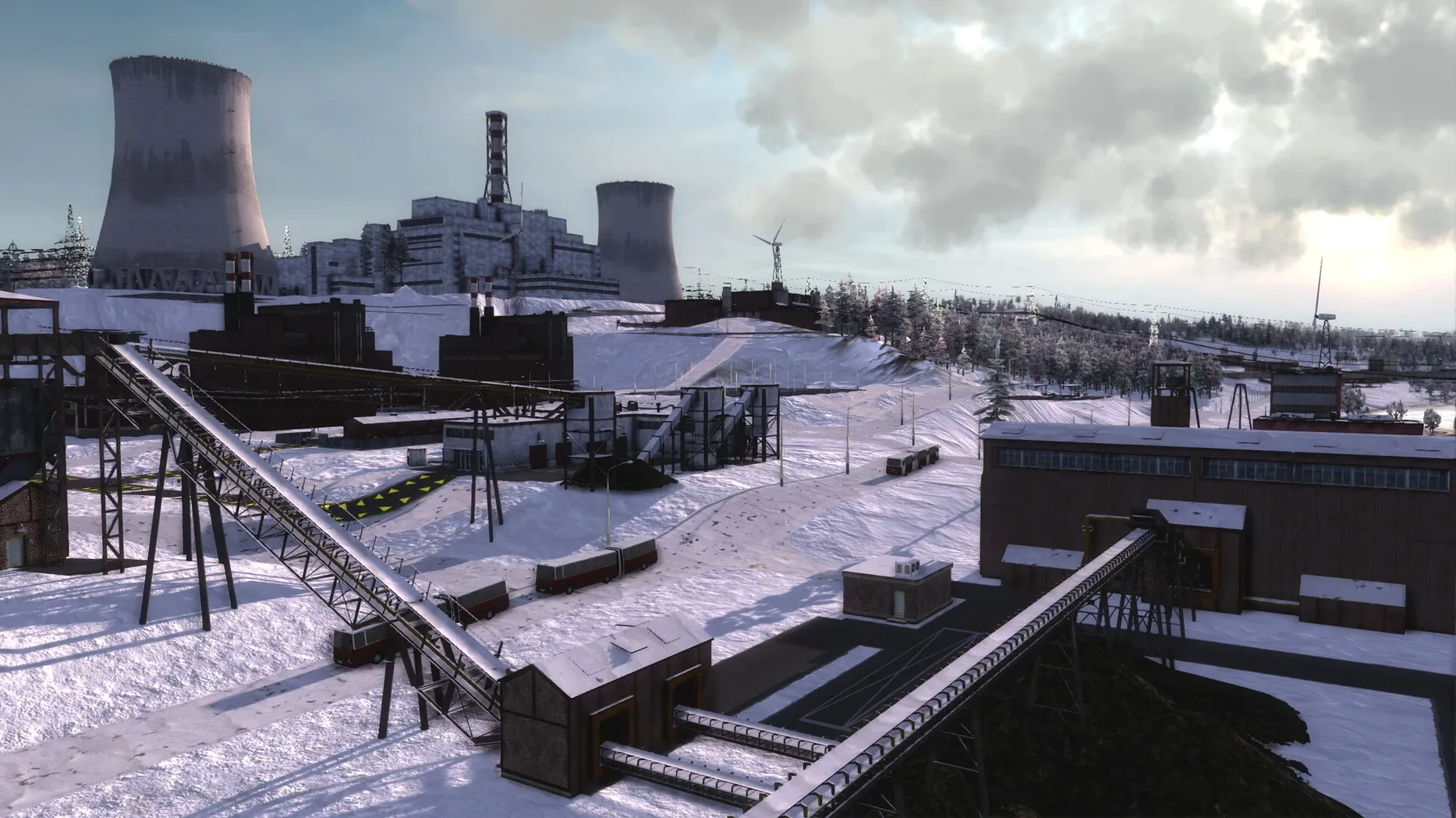
If you've lost hours to the cargo routes in Transport Fever or the production chains in Anno, this sim scratches a similar logistical itch—but it's wired into a command economy where a single bottleneck can starve a town.
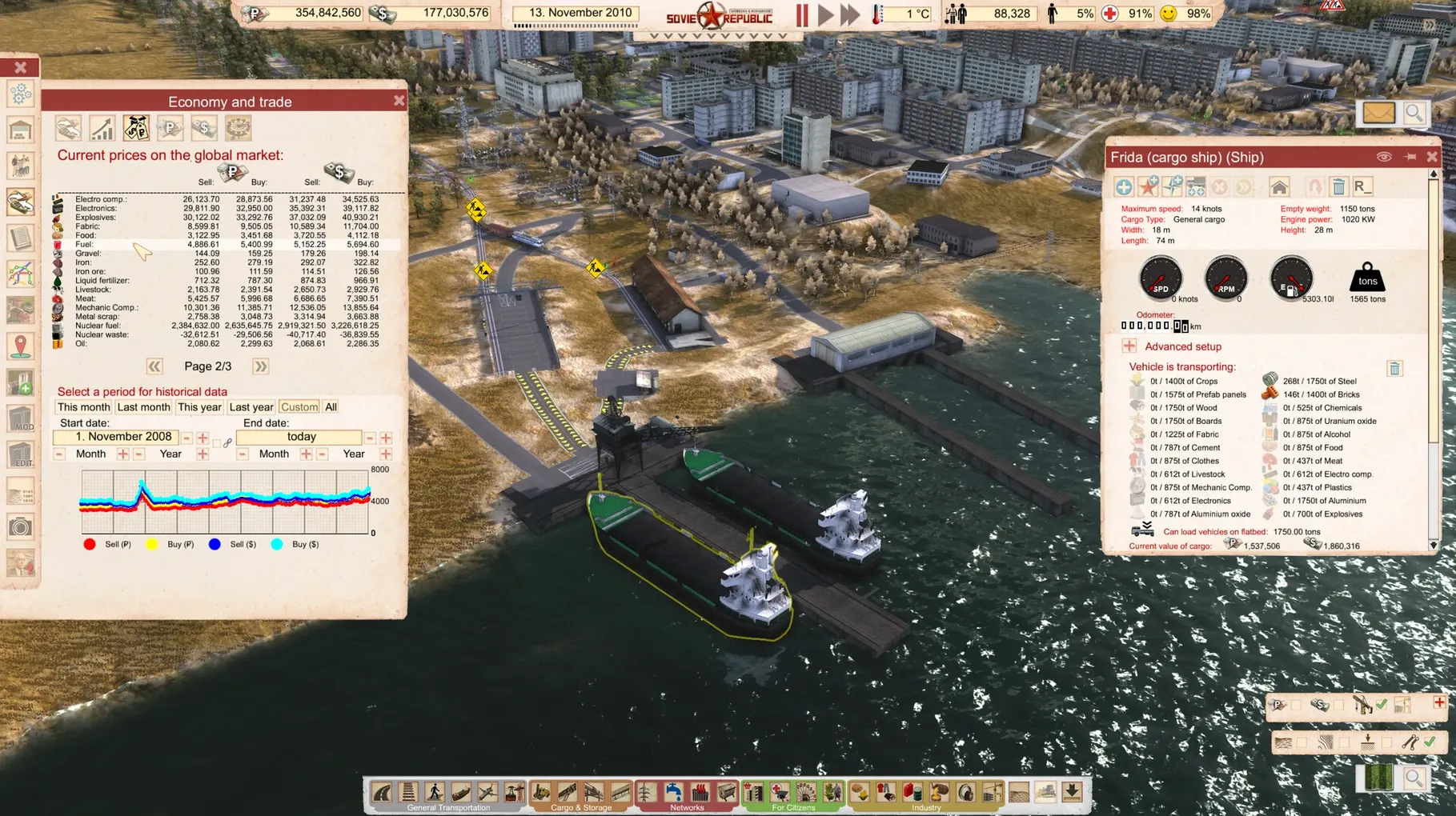
1. **Set the foundation.** You start by dropping a construction office and free depots near a border post. Money is tight, so you toggle rubles or dollars depending on whether you're importing steel from the East or West.
2. **Build the first link.** A dirt road connects a gravel quarry to a processing plant. You buy a dump truck, assign it to the route, and watch it bounce along the terrain. The gravel doesn't pile up magically—it's a physical resource a vehicle has to move.
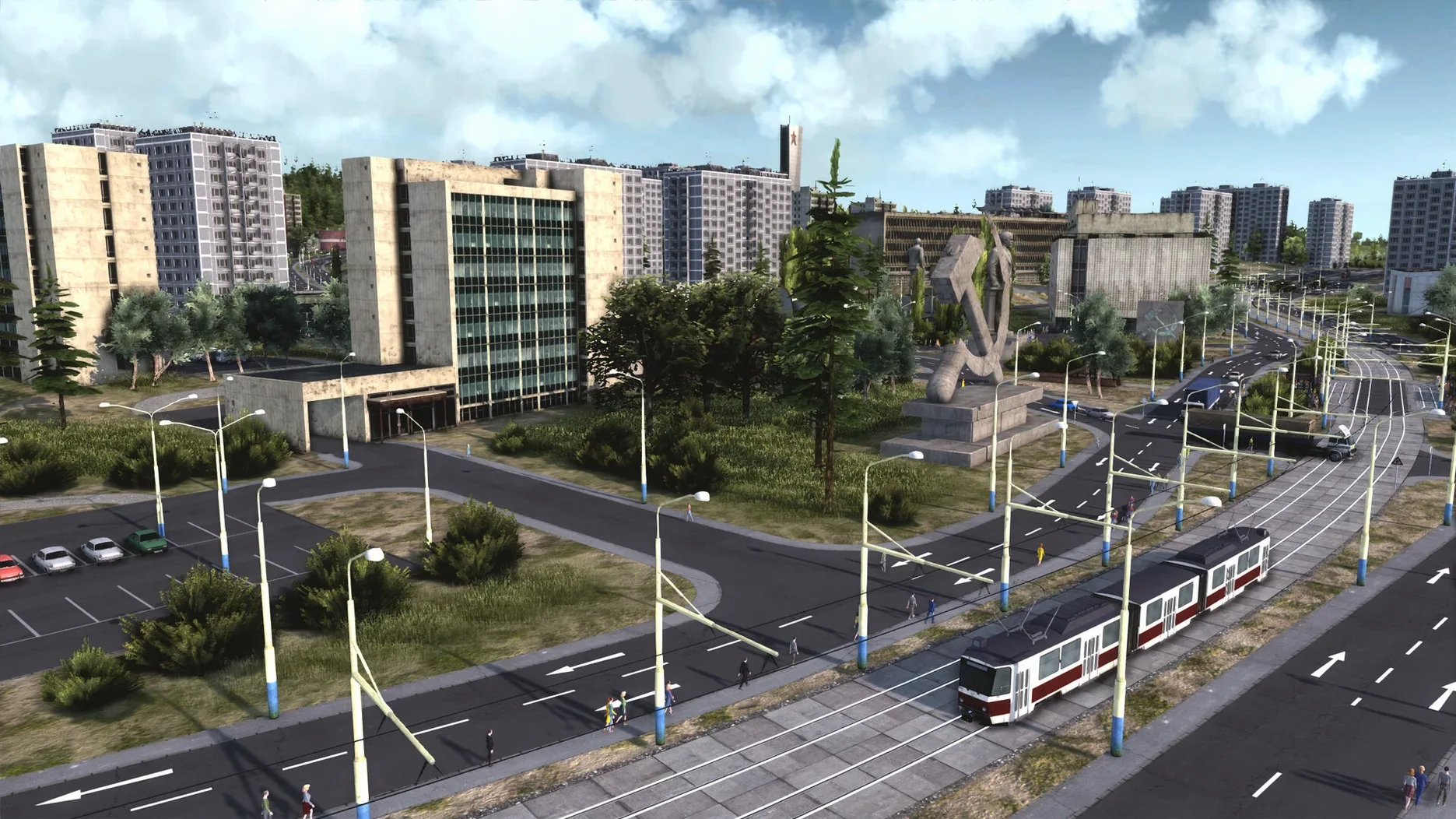
3. **Wire the town.** Workers need a place to sleep. You lay out apartments, then run power lines from a substation and buried pipes for water. No power meant no construction cranes earlier; now it means no lights and angry citizens.
4. **Turn on the faucet.** A heating plant, a water treatment station, a small shop for food. You're loading coal into trucks just to keep radiators warm. One missed delivery and the town's health dips.
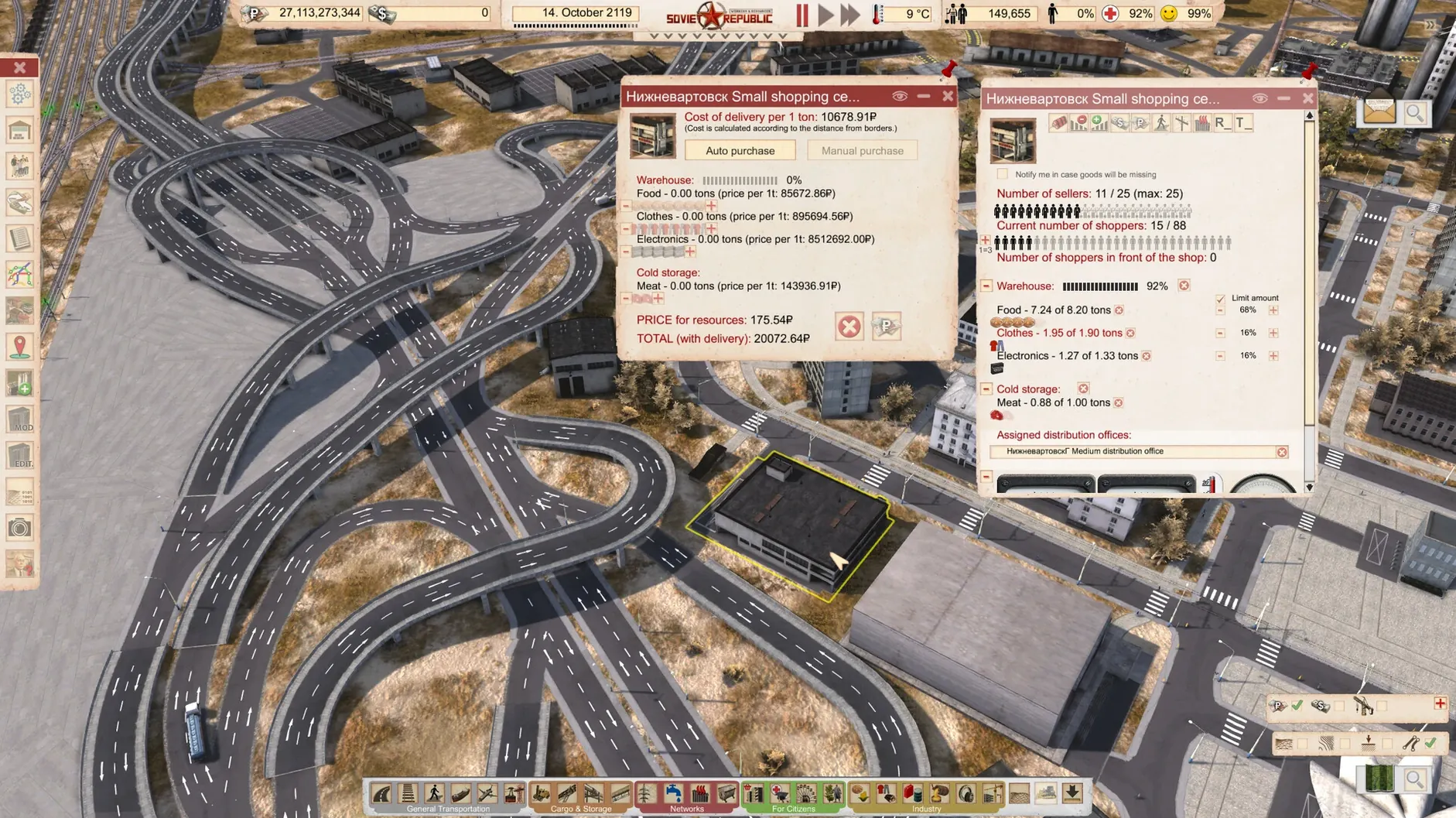
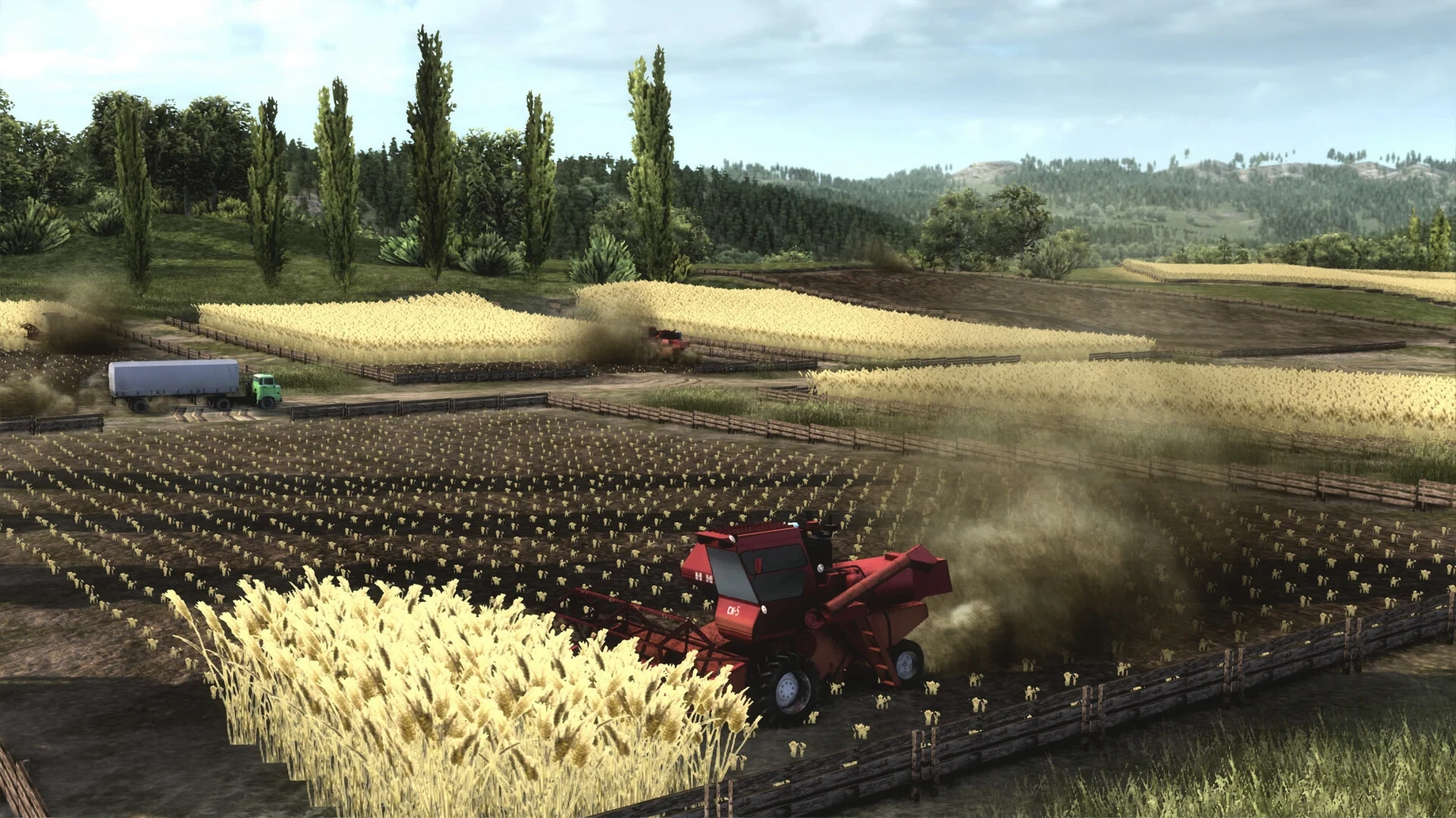
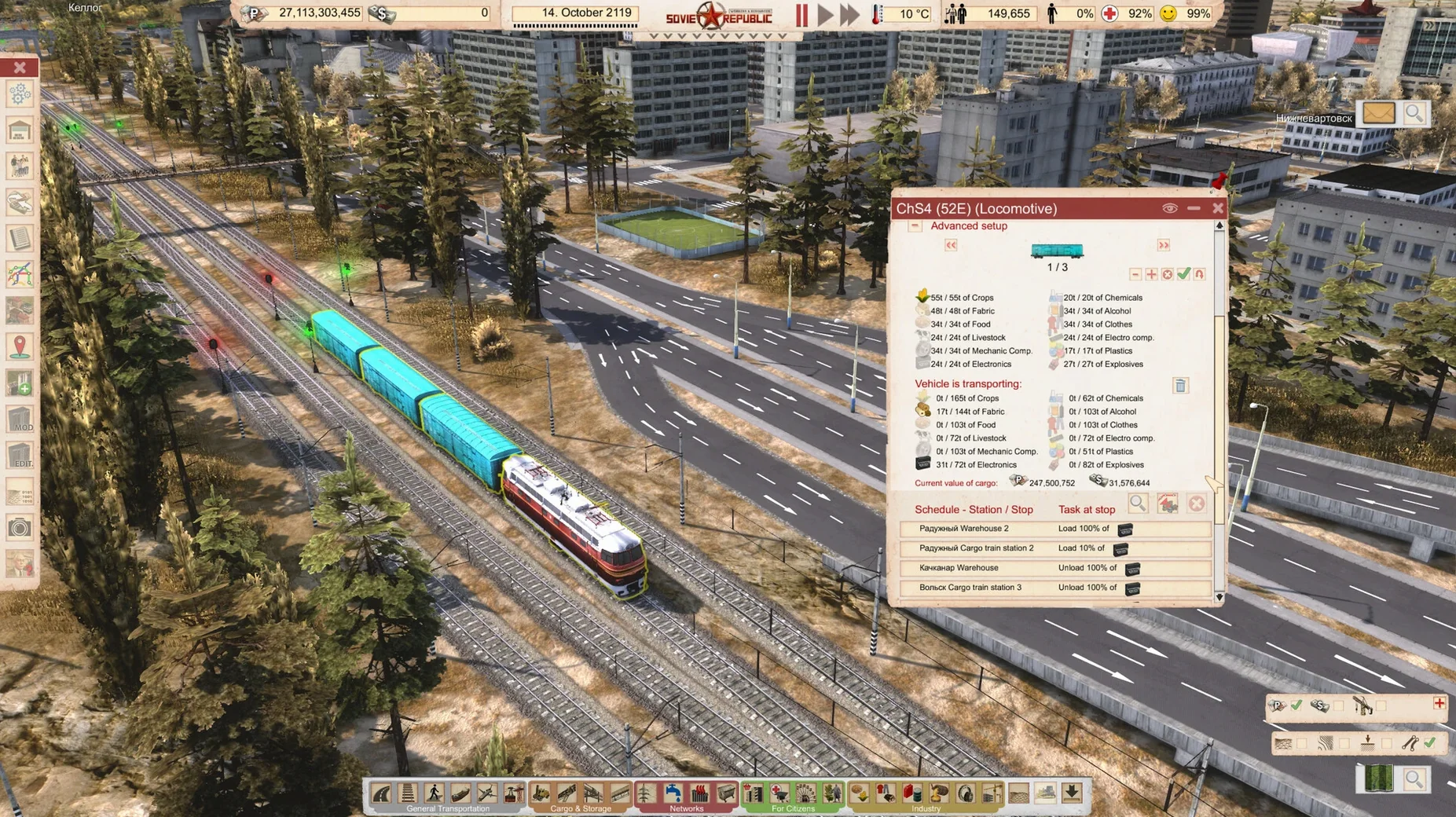
5. **Feed the supply chain.** Fabric from a textile mill, chemicals from a refinery, crops from collective farms—each component travels on a vehicle you've scheduled. You're staring at conveyor connections, calculating if one factory's output can saturate the next.
6. **Scale the network.** Trains replace trucks on the long haul. You signal a junction wrong and two freight lines lock up. While you untangle the mess, a hospital runs out of medicine. The economy is a live circuit; you feel every short.
A Typical Session: The Uranium Gamble
Tuesday evening, 9 p.m. The republic needs hard currency, and the eastern market is paying a premium for uranium oxide. I open the map of my current republic—a sprawl of panelák housing blocks, smokestacks, and rail yards I've been nursing for twenty hours.
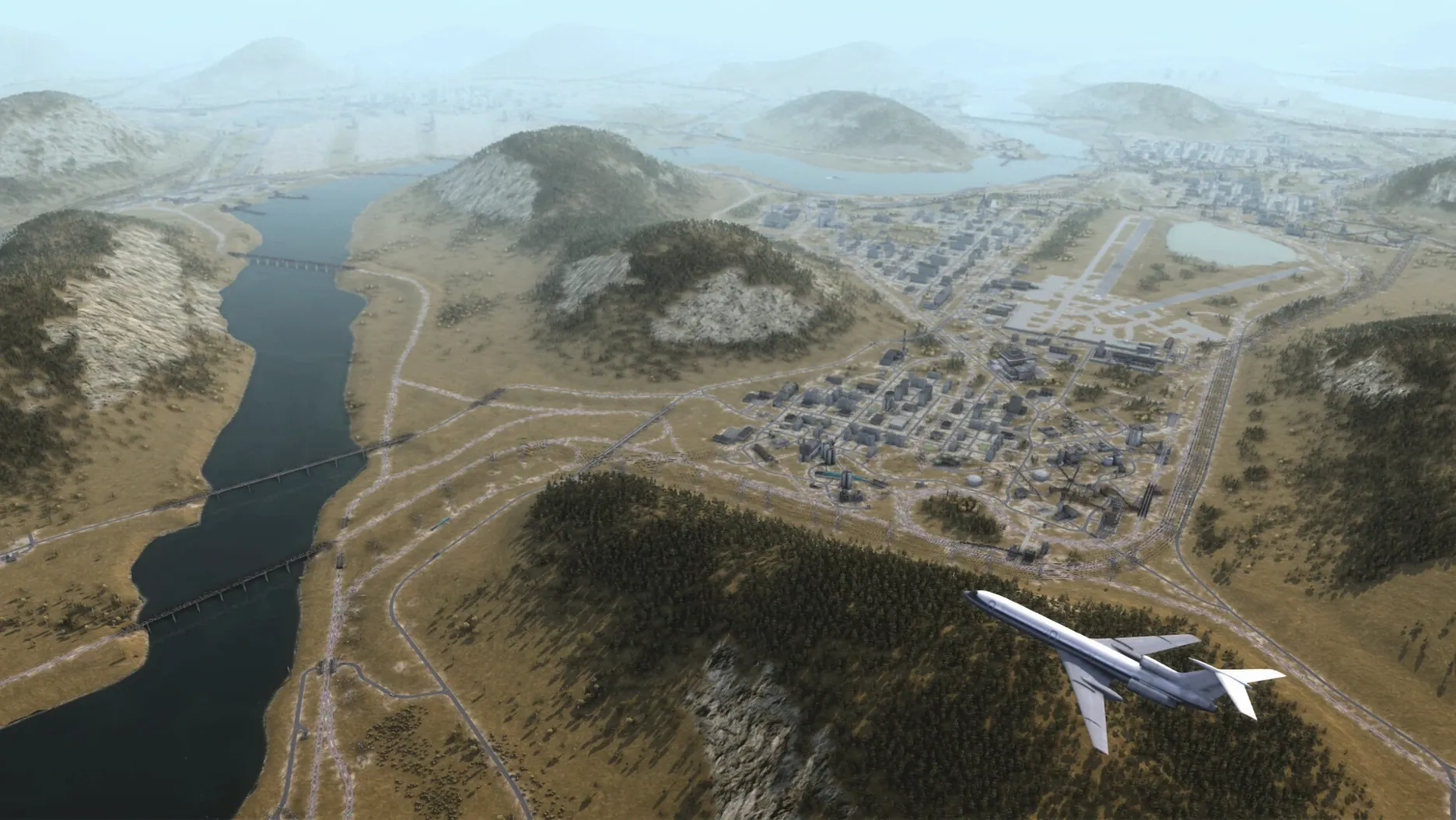
I start by surveying. A uranium deposit sits three kilometers from my railhead, across a river. No bridge. No road. Fine. I drop a construction office near the deposit, set it to source gravel and steel from my main industrial zone, and fund it with rubles. While the road crews fire up their bulldozers, I'm laying out the processing chain in my head: mine, mill, storage, rail loading station.
The bridge pylon sinks into the terrain. I add a single-track rail line snaking through a mountain pass—too tight a curve, I realize, but I'll fix it later. Trucks haul prefab panels to the mine site. The assembly yard goes up. I import three excavators from the West because my domestic vehicle factory is still churning out agricultural tractors and nothing else.
By 10:30, the mine coughs out its first ton of uranium ore. A truck ferries it to the mill, and processed oxide barrels stack up in a warehouse. I assign a freight train—an aging diesel-electric—to the route. It lumbers out of the yard, crosses the river bridge, and rumbles toward the border checkpoint. The ruble balance ticks upward. A trickle becomes a flow.
Then the protest icon flashes over a mid-rise apartment block. I click it. Workers are walking off the job. Why? The coal delivery to the heating plant is three hours late—I forgot to adjust the truck schedule after I reassigned two dumpers to uranium hauling. I scramble, divert a reserve stockpile, and watch the loyalty meter stabilize. The session ends with the rail line humming and a reminder: in a republic where everything connects to everything, a change in one district is a crisis waiting to happen in another.
Loves Factorio-Style Production-Chain Headaches
Fans of logistics-first sims like Factorio or Workers & Resources: Soviet Republic mac torrent downloads attract exactly the kind of player who loves the earlier game's production-chain headaches. If you've ever spent an hour perfecting a conveyor belt balancer, you'll find the same obsessive satisfaction in tuning a rail yard so that four lines converge without a deadlock. The difference is the human layer—your factories aren't abstract assemblers; they're staffed by citizens who need apartments, heat, and a cinema or their productivity tanks.
Mac users who gravitate toward deep management sims rather than snap-decision RTS games will sink into this one. It runs natively on Apple Silicon, so a MacBook Air on a coffee shop table can handle a republic of 20,000 workers without the fans screaming. That portability fits the game's rhythm: you tinker for twenty minutes, let a construction project run, then come back to tweak a bus route. It's a sim that respects a fragmented schedule.
Creative builders who like a blank canvas but want economic teeth—not just a pretty diorama—will also click with it. The terrain isn't a backdrop; it's a problem to solve with bridges, tunnels, and graded rail cuts. And because every resource has a physical presence on the map, the visual payoff of a working industrial district feels earned in a way that purely decorative city-builders rarely manage.
It's a sim where the real action is in the routing overlays and the forklift schedules, not just the skyline.
- Apple Silicon Mac
Questions I actually get
Can I play Workers & Resources in English?
Yes. You can switch the interface language to English in the launcher before starting the game.
What kind of goods do I manage?
You manage supply chains for over 30 goods, from gravel and steel to electronics and clothing, moving them with trucks, trains, and conveyors.
Does the game run on Apple Silicon Macs?
It has been tested and runs on macOS Sequoia with an M1 chip.
Notes from the edit bay · 0
Sign in or get an edit-bay pass to leave a note.
No notes from the edit bay yet. They go up after I read them.