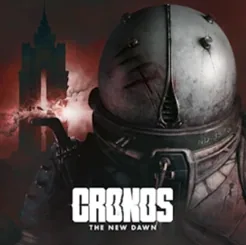
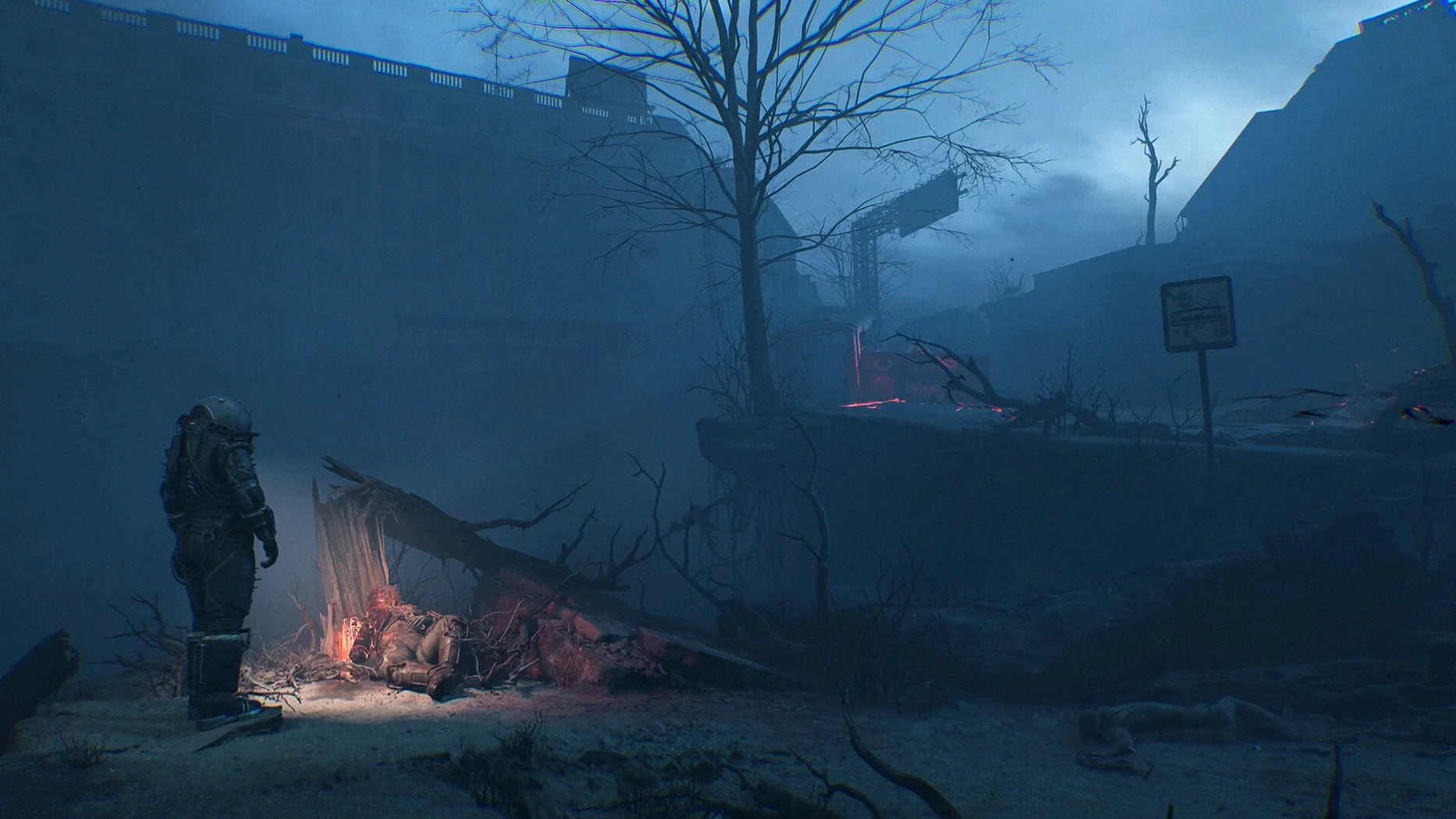
A 2024 Mac mini with an M4 chip, macOS Tahoe on the screen, and a future wasteland stretching into the distance. That's where a session with Bloober Team's latest survival horror begins. Time itself is both a weapon and an enemy here, and the game pulls no punches.
Getting It Running: A Quick Workflow
- Check your architecture. This is an ARM-native build. Intel Macs need not apply—you're looking at Apple Silicon only, running macOS Tahoe.
- Sort the controls. A third-person horror game lives and dies by its responsiveness. Plug in a controller or dial in the keyboard bindings before you meet the first enemy that can merge into something much worse.
- Manage your expectations. On the M4 mini, the wasteland renders smoothly, but the time-travel shifts to the past are where the GPU gets a real workout. Keep an eye on the resolution scaling if the frame rate dips during these transitions.
Where does it fit? It's a brutal, methodical survival horror experience. The dual-timeline setting keeps you off-balance, and the enemy merging mechanic means you can't just memorize attack patterns. It runs native on Apple Silicon, which is a welcome break from Rosetta-reliant ports.
Under-10-Second Load Times on an M4 Mac mini
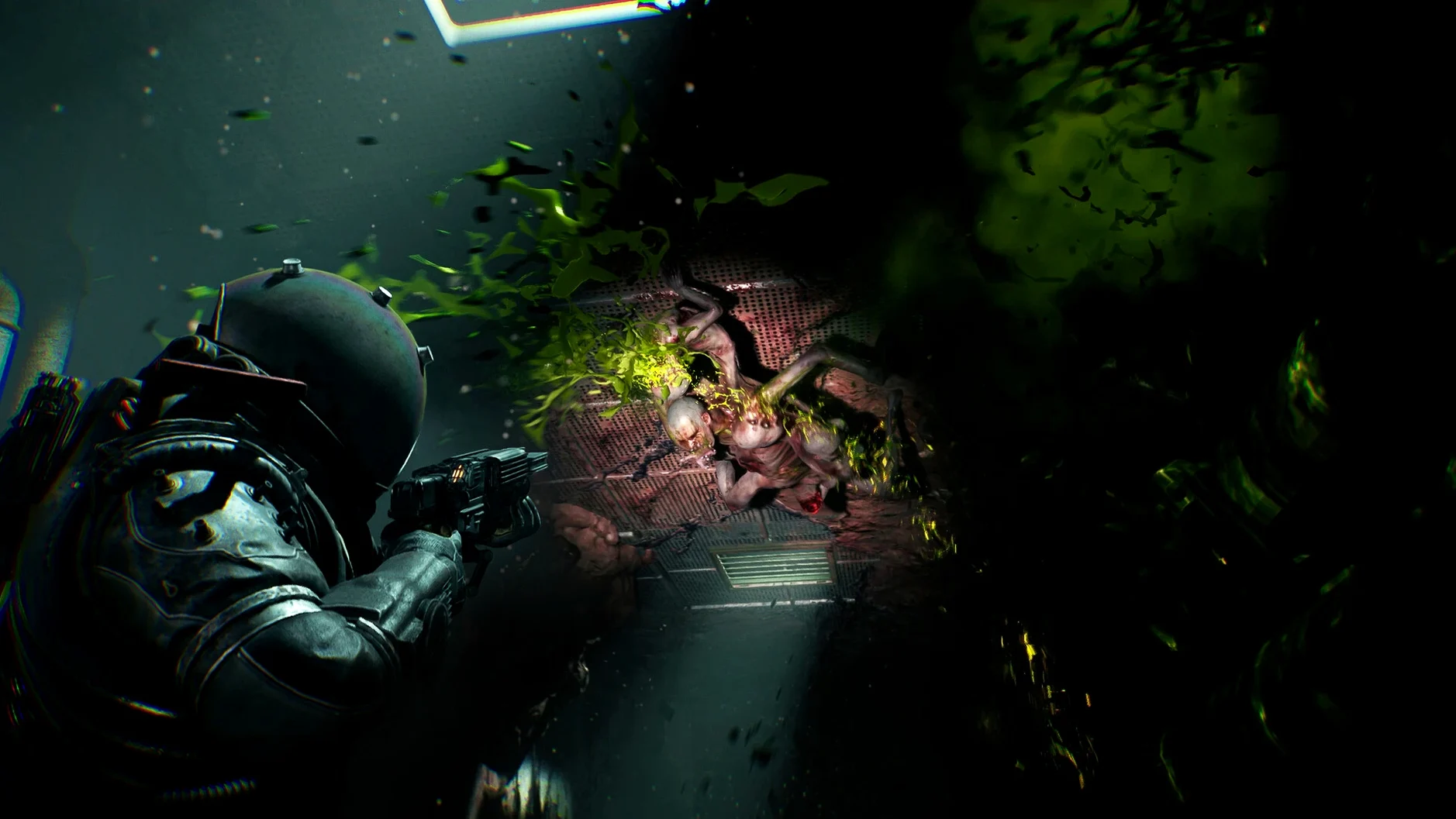
On an M4 Mac mini, the game hums. Load times between the wasteland and the past-timeline interiors clock in under ten seconds—not instant, but short enough that the tension from one scene barely has time to dissolve before the next one tightens. The ARM-native build does the heavy lifting without turning the machine into a space heater. Fans stay audible but polite, even during sequences where three merged enemies lurch toward you through a concrete corridor.
I haven't seen a crash yet across half a dozen sessions. That's not a given with day-one macOS horror ports. The frame pacing feels deliberate, not erratic. A few stutters appear when the time-shift effect first floods the screen with particle distortion, but the game recovers quickly. Memory pressure stays in the green on a 16 GB machine. If you're running background renders or a disk cache utility, close them. This one likes having the system to itself.
The Unmentioned Quick-Turn That Saves Your Neck
A few things are easy to walk right past. The quick-turn input—double-tap the movement stick backward—is never explained in a tutorial pop-up, but it's there. It saves your neck when a spliced enemy sneaks up from behind. The inventory radial menu responds faster if you tap the shoulder button rather than holding it, which the on-screen prompt doesn't tell you.
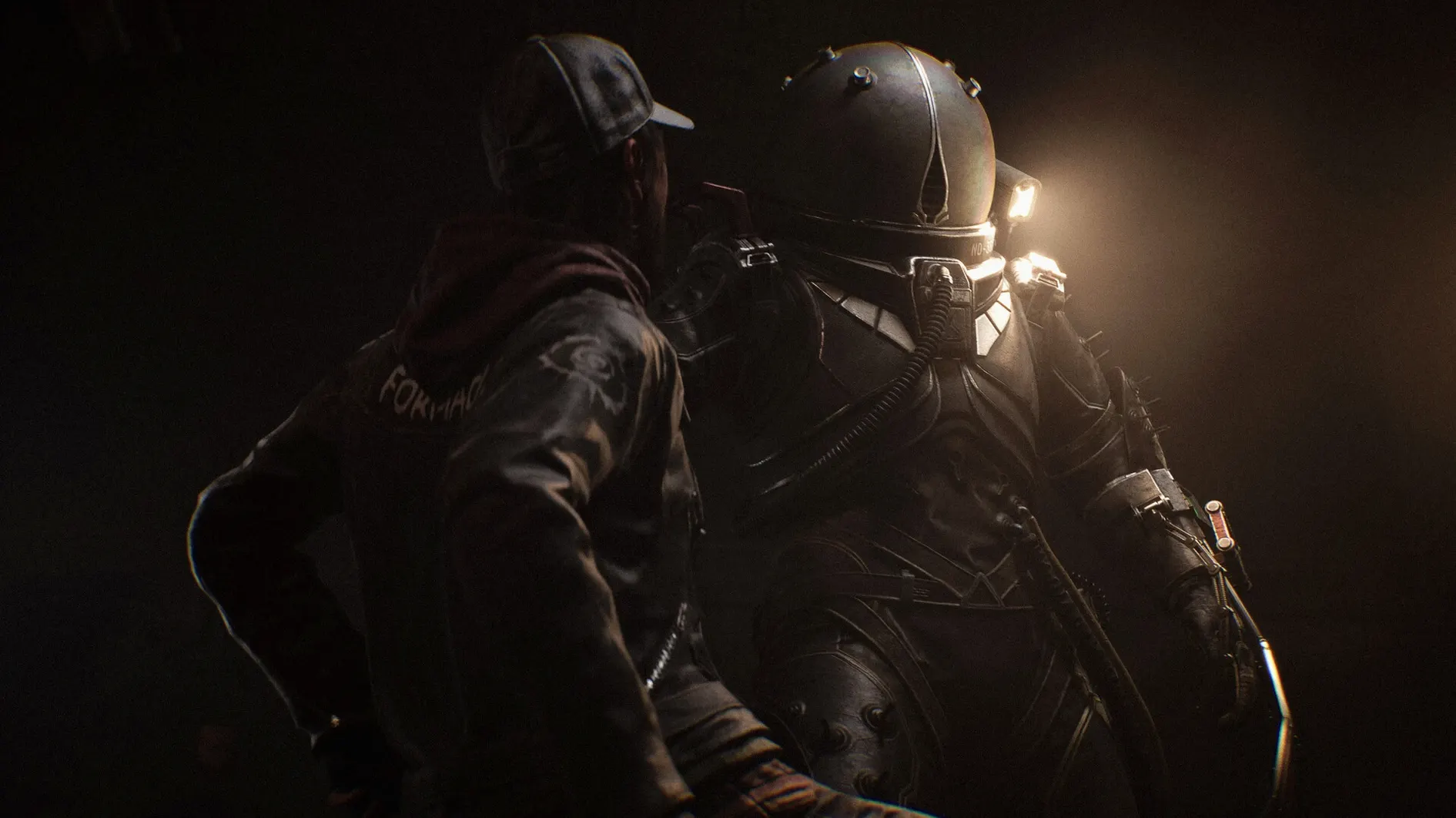
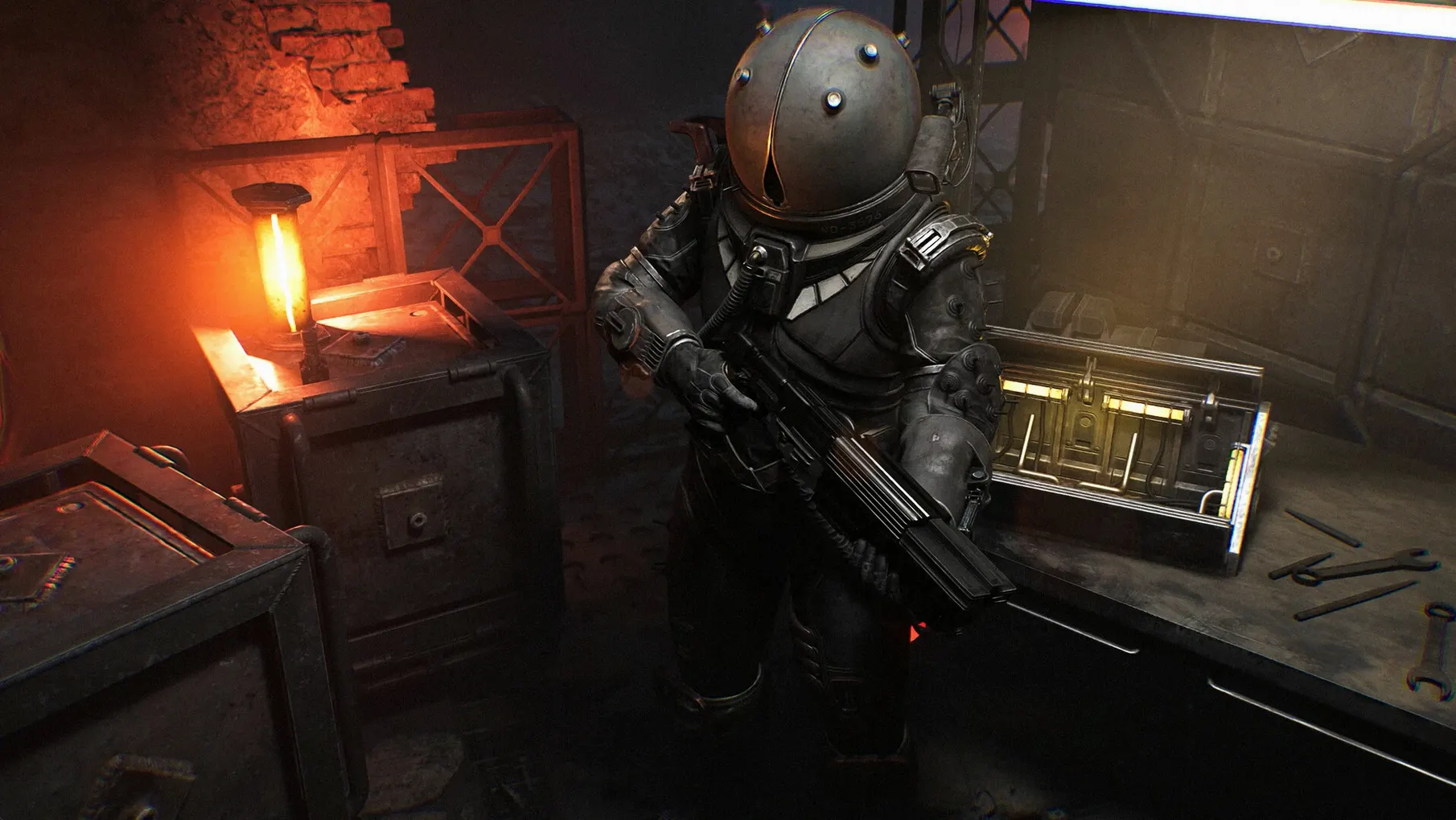
Sound design shortcuts deserve a mention. The Traveler's breathing changes pitch a full two seconds before an enemy appears on the HUD, giving you a window to reposition. Headphones make this obvious. Laptop speakers bury it in the wasteland's ambient wind. Also: the soul-collection mechanic can be triggered from a wider radius than the visual effect suggests—roughly an arm's length beyond the particle glow. That extra reach has spared me from stepping into a trap more than once.
Built for Apple Silicon, Not Wrapped in Rosetta
macOS gamers who've been stuck with last year's back catalog will feel the difference immediately. This isn't a wrapped port struggling through Rosetta—it's built for Apple Silicon, and it shows in load times and thermal behavior. If you hunt down a cronos the new dawn mac torrent for this build, you're getting the ARM-native version that the M-series chips deserve.
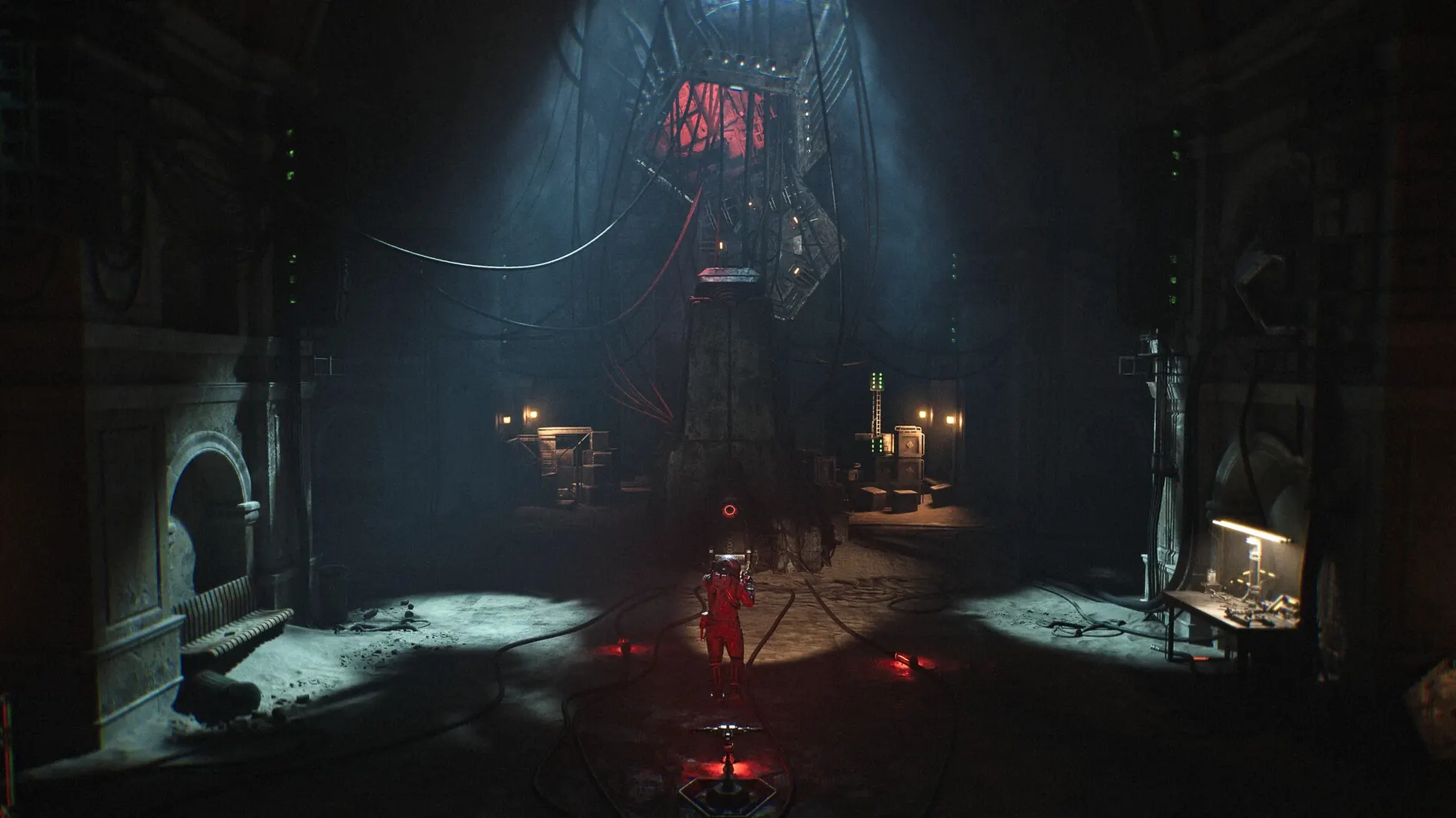
Survival horror veterans who micro-manage resources and read enemy behavior will sink deepest into the loop. The merging mechanic punishes complacency: you can't lean on the same strategy twice. Players who prefer atmospheric dread over jump scares will appreciate how much of the horror comes from sound and architecture—the Eastern European brutalist concrete and retrofuturist machinery do more storytelling than the cutscenes. Speedrunners, on the other hand, may bounce off the methodical pace; the time-travel transitions are narrative beats, not skippable corridors. This is a game for the patient, the paranoid, and anyone who missed playing a genuinely current horror release on their Mac.
Current build is 356600.
- macOS Tahoe
- Apple Silicon (ARM) Mac
Questions I actually get
What languages does Cronos: The New Dawn support on Mac?
The game includes Russian, English, German, Spanish, Italian, Traditional Chinese, Simplified Chinese, Korean, Polish, Portuguese, Turkish, Ukrainian, French, and Japanese.
Notes from the edit bay · 0
Sign in or get an edit-bay pass to leave a note.
No notes from the edit bay yet. They go up after I read them.