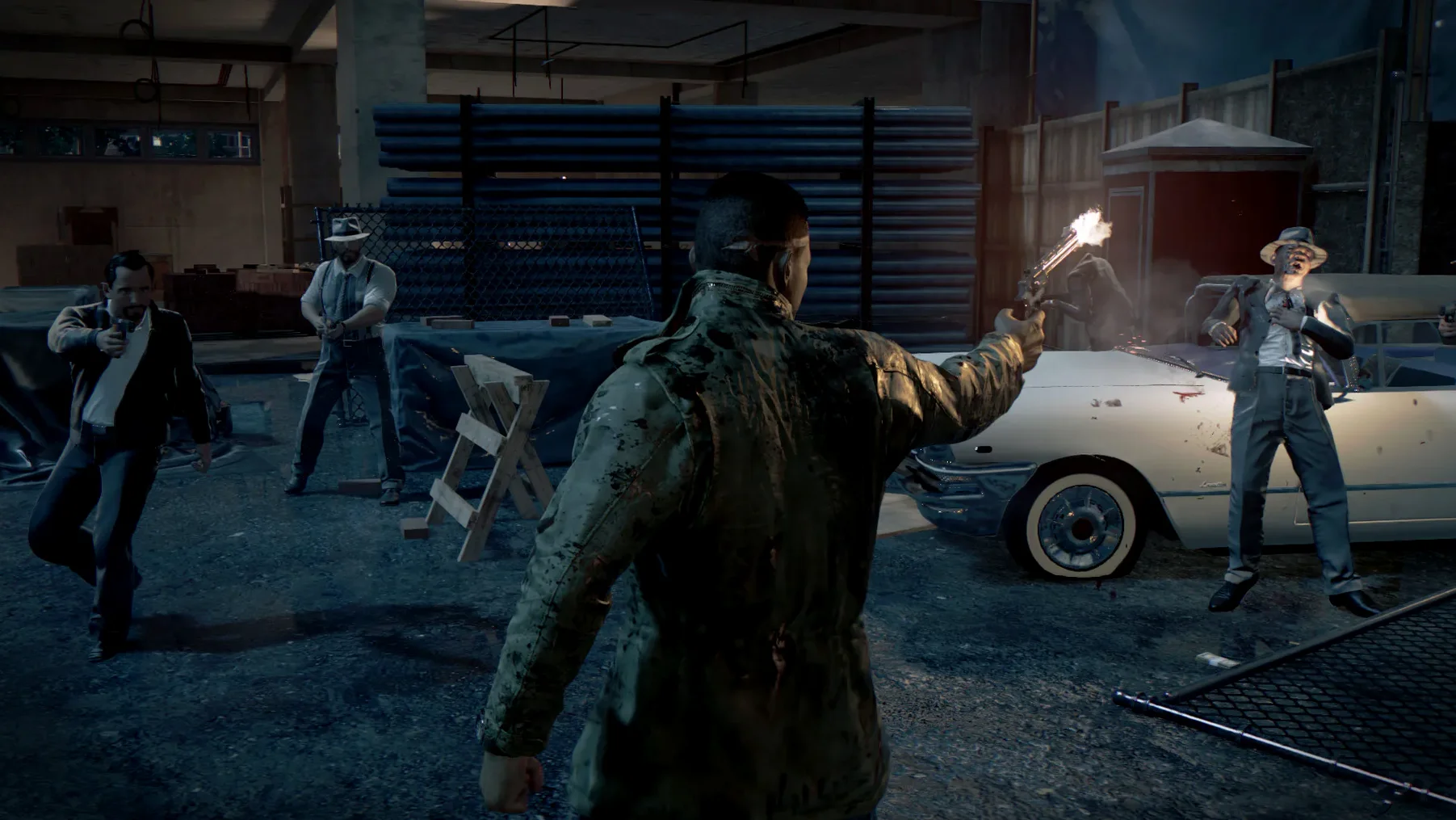
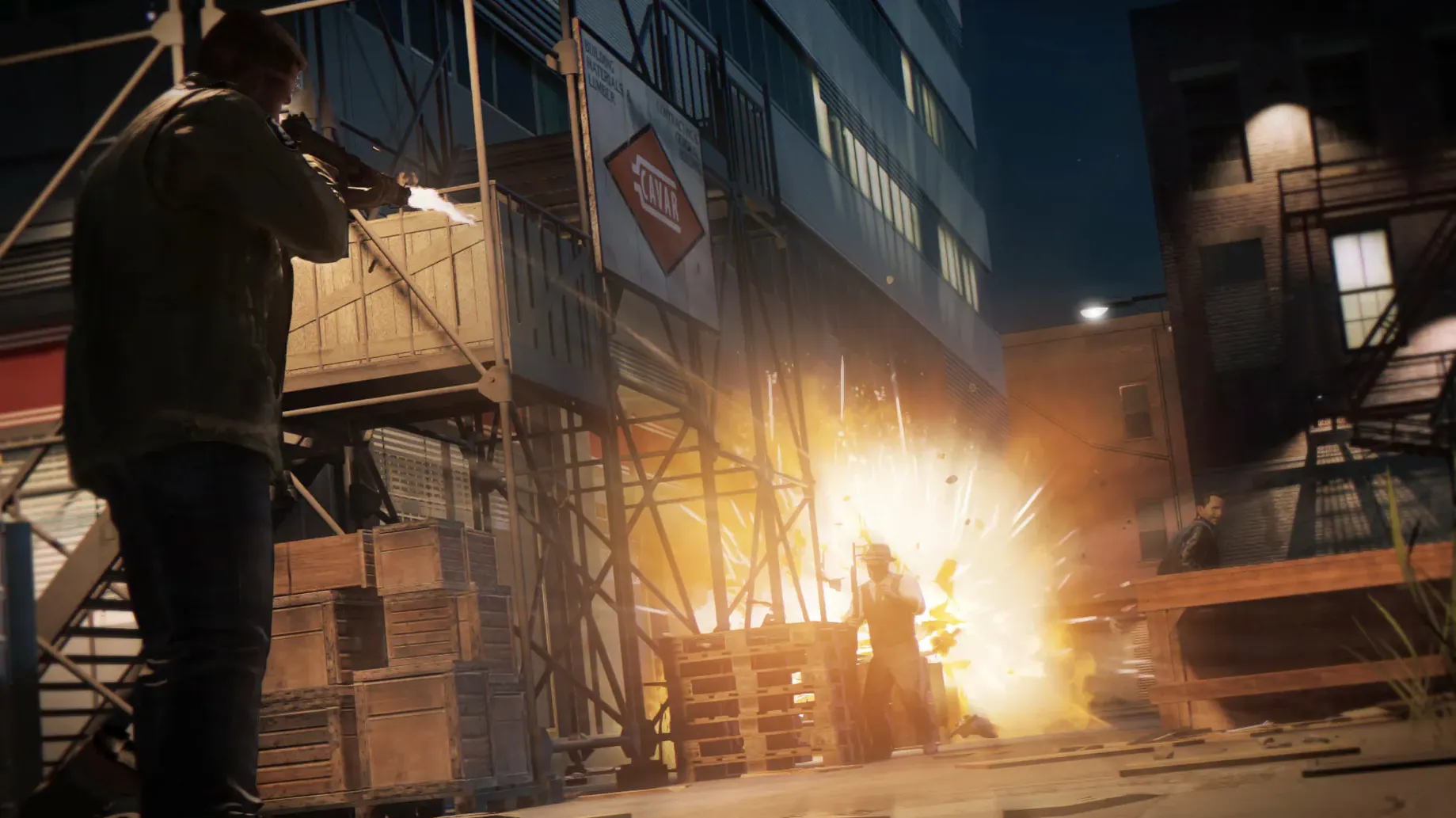
If you've spent hours in a Grand Theft Auto game, the rhythm of Mafia III will feel familiar right away—but the texture is entirely its own. You're Lincoln Clay, a Vietnam veteran back home in 1968, and the city of New Bordeaux has its hands around your throat. This isn't a sandbox for chaos; it's a revenge story where every district you take over feels earned.
| Key Detail | Spec |
|---|---|
| Developer | Hangar 13 / Aspyr (Mac) |
| Setting | New Bordeaux, 1968 |
| Protagonist | Lincoln Clay |
| Combat Styles | Gunfire, melee, stealth, surveillance |
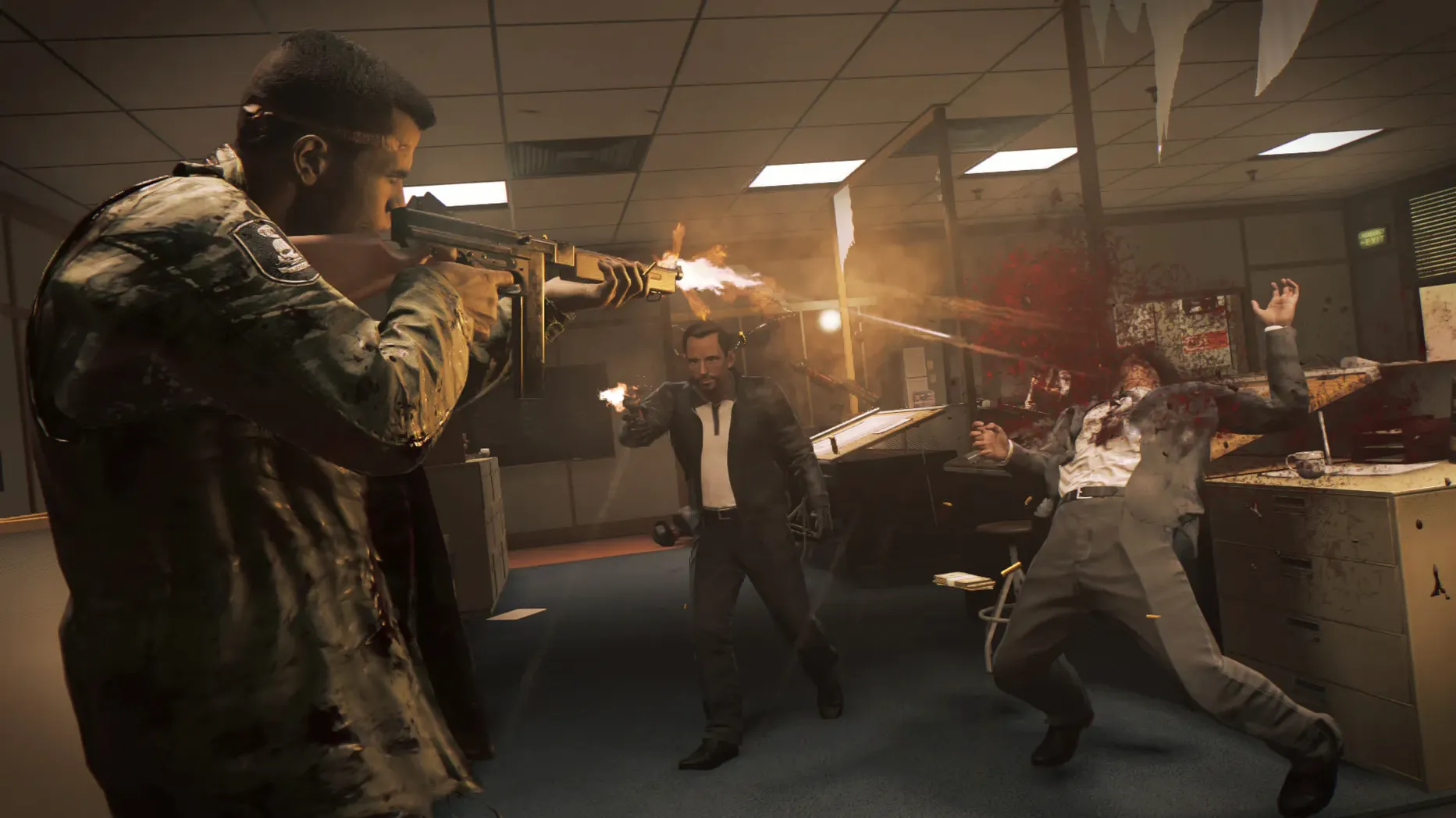
A typical session moves from a planning table to the streets fast. You might park a block away, mark two guards with a surveillance call, then slide in for a stealth kill before a shotgun blast kicks the neighborhood into high alert. The melee combat is deliberately heavy—each punch lands with a weight that sells the brutality of Lincoln's training. Car chases cut through the bayou and back alleys, and the story decisions you make between missions reshape your alliances with the 808 mafia members and other underworld figures. It's a loop of reconnaissance, explosive action, and tense getaways that keeps the pressure on.
New Bordeaux runs best when you feed it VRAM. The hard floor is 2 GB on an AMD card, and the game leans on it constantly—texture streaming, shadow cascades, all the reflective puddles on a rain‑soaked street. On an Apple Silicon Mac the Rosetta 2 layer adds a translation cost, but the M‑series chips chew through it surprisingly well. I keep draw distance on medium and shadows on low when I want a locked 60 fps; the visual trade‑off is barely noticeable once you’re in a chase. Frame pacing has the occasional hiccup during auto‑save checkpoints, though it settles back within a second or two. Memory pressure stays reasonable—I rarely see the system hit swap unless I’ve left a dozen Safari tabs open behind the game.
Stability on the current build is solid. I’ve finished the main story without a single hard crash, and the only repeatable bug involved a background NPC getting stuck inside a cargo container during a dock raid. A quick restart of the checkpoint fixed it. Load times from an external SSD are about 15 seconds for the open world; the internal drive on an M4 Mac mini shaves that to under 10. The title doesn’t push CPU temperatures the way some Metal‑native shooters do, which makes it a comfortable long‑session game even on a MacBook Air.
That GPU Check That Bricks the Launch on Intel
The biggest gotcha is the GPU check at launch. If you’re on an Intel Mac with an NVIDIA card, the game simply won’t start—Aspyr locked it to AMD graphics, and no plist edit changes that. Apple Silicon users bypass this entirely because the M‑series GPU paths don’t hit that restriction, but you still need at least macOS 10.12.4. I’ve seen people trip over an old Sierra install when the download clearly lists the requirement.
Controller detection can be fussy. The game recognizes Xbox and PlayStation pads over USB without drama, but Bluetooth pairing sometimes fails after sleep. Plugging the controller in once usually forces the handshake, after which wireless works fine for the rest of the session. DualShock 4 users should toggle the in‑game controller preset from “Automatic” to “PlayStation” if button prompts show Xbox glyphs—a tiny settings tweak that saves frustration during quick‑time events.
Audio cutting out mid‑cutscene is almost always a sample rate mismatch. Set your Mac’s output to 48 kHz in Audio MIDI Setup before launching; the game engine doesn’t resample on the fly, and a 44.1 kHz system setting confuses the voice‑over tracks. It’s one of those quirks that survived from the original console release and never got patched out of the Mac port.
When the Mob Drama Outshines the Sandbox
Story‑driven players who treat an open‑world map as a stage, not a playground, will sink deepest into Mafia III. The narrative pull—Lincoln’s revenge against the Italian mob, the shifting loyalties of the 808 mafia members, the radio broadcasts that react to your territory grabs—rewards people who read the collectible documents and listen to the ambient dialogue. If you need constant side activities and mini‑games, the loop might feel repetitive; the mission structure doesn’t hide its rinse‑and‑repeat template. But if you’re here for a tightly acted crime drama with period‑correct muscle cars and a swamp‑soaked soundtrack, it delivers.
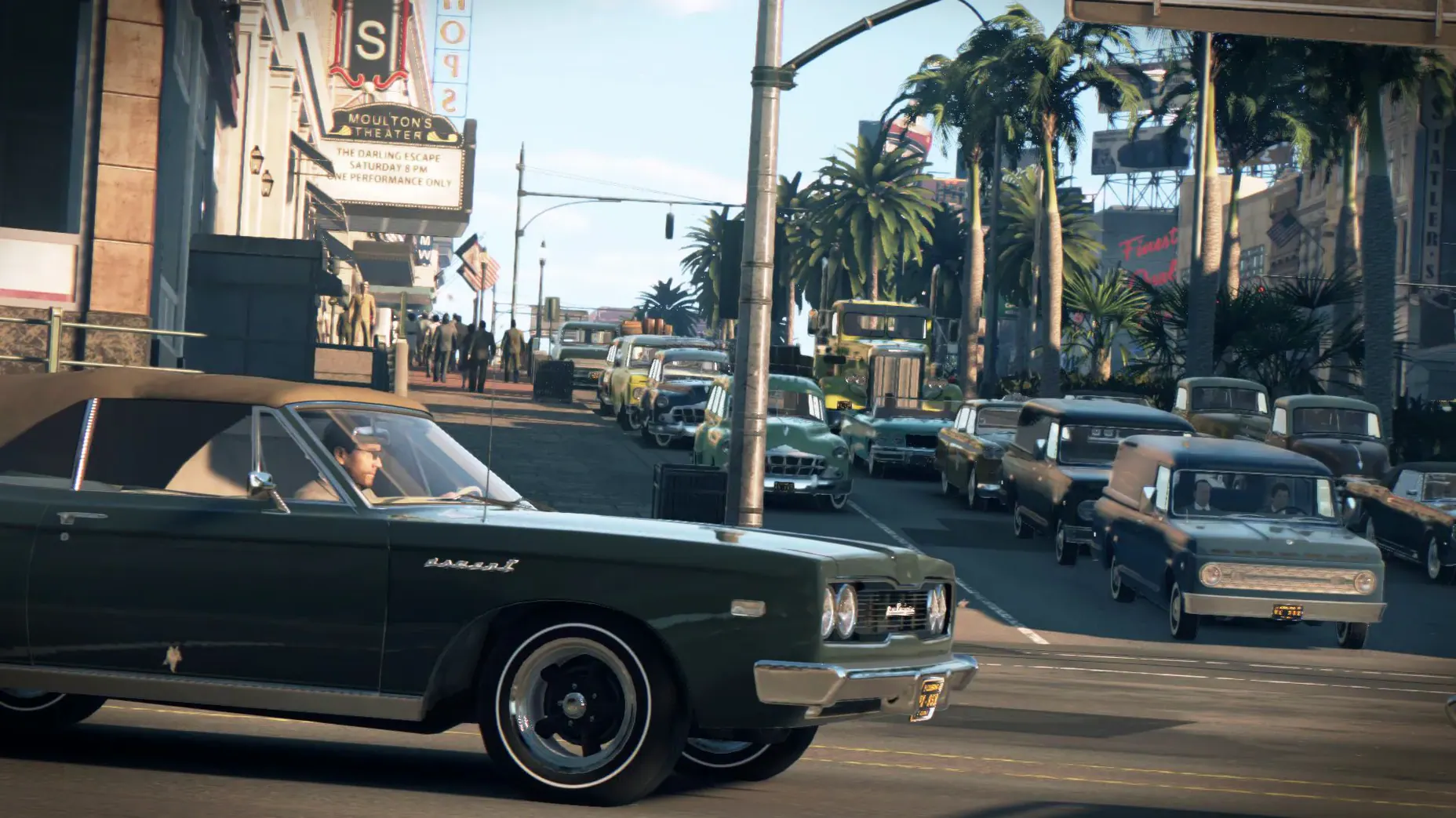
Mac users with a decent AMD eGPU setup or an M1 Pro and above get the smoothest ride. The game’s asset pipeline was built for the PS4 era, so a modern Apple Silicon machine runs it at high settings without breaking a sweat. People who keep a controller permanently docked on their desk will enjoy the driving physics more—keyboard steering works but loses the subtle counter‑steer you need during the bayou chases. It’s also a title that benefits from a large screen; the art direction packs so much period detail into the signage and storefronts that playing on a 13‑inch panel sells the world short.
Do the DLCs Unlock on Their Own?
Does the Mac version include the DLC, or do I need separate files? All three story packs—Faster, Baby!, Stones Unturned, and Sign of the Times—are baked into this build. They unlock as you progress through the main story, so there’s no separate activation or extra folder to manage. The weapons and vehicles from the Family Kick‑Back bonus appear in your arsenal from the first safehouse.
Will my save from a console or Windows version carry over? No, the save format is specific to the Mac port. You’re starting fresh. Given that the opening hours are some of the strongest in the game—the bank heist, the betrayal, the burning of Sammy’s bar—running through them again isn’t a chore.
Is the frame rate capped? The game ships with a 30 fps lock enabled by default. You can uncap it in the video settings, and on Apple Silicon the engine typically hovers between 55 and 70 fps at 1440p with medium shadows. I leave the cap off and let the display’s variable refresh handle the dips; they’re infrequent enough that the fluidity gain outweighs the occasional stutter during a heavy explosion sequence.
- macOS 10.12.4 or later
- AMD graphics card with at least 2 GB VRAM
- 8 GB RAM minimum
- 50 GB available storage
- Intel and NVIDIA graphics cards are not supported
Notes from the edit bay · 0
Sign in or get an edit-bay pass to leave a note.
No notes from the edit bay yet. They go up after I read them.