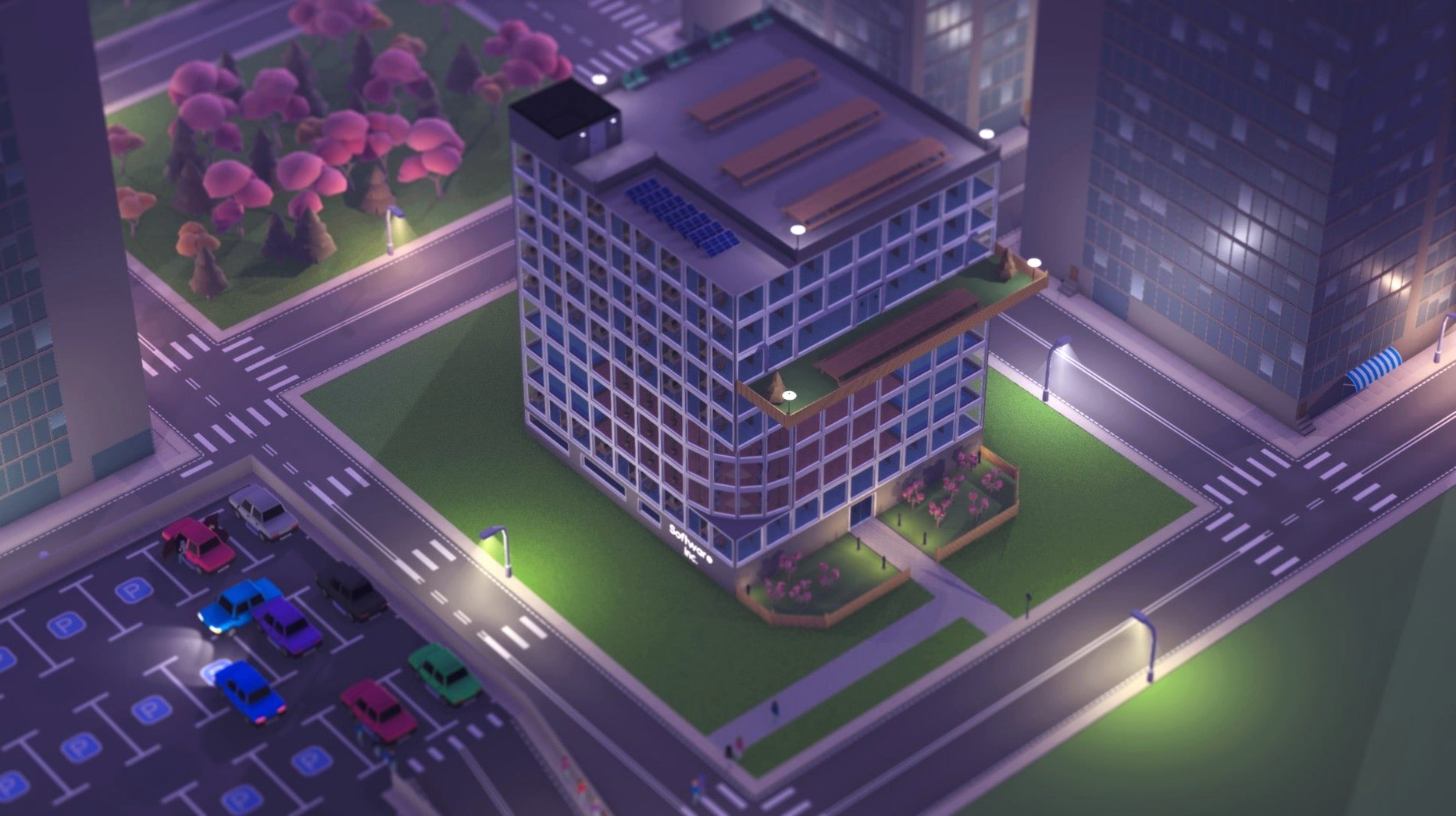
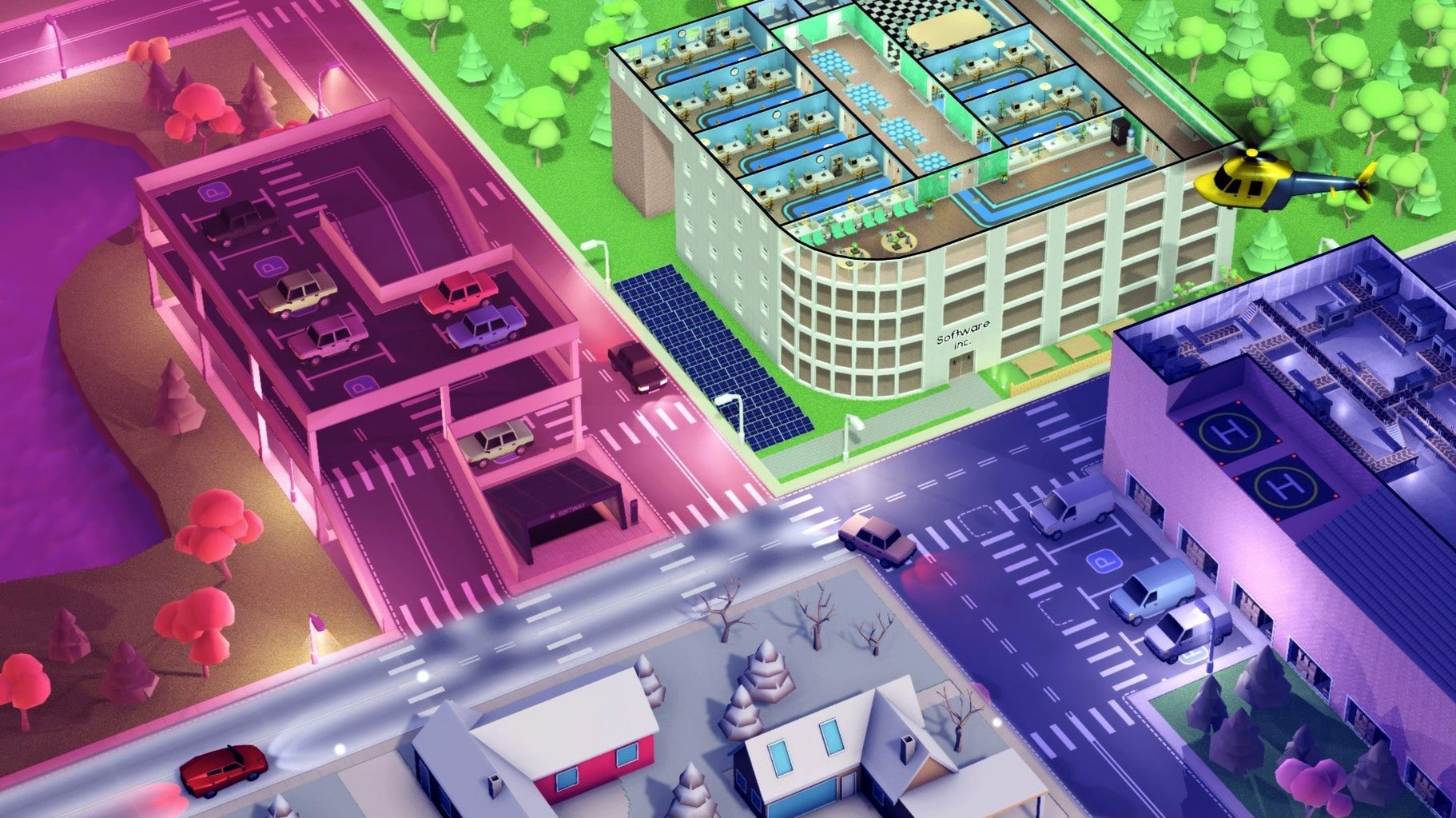
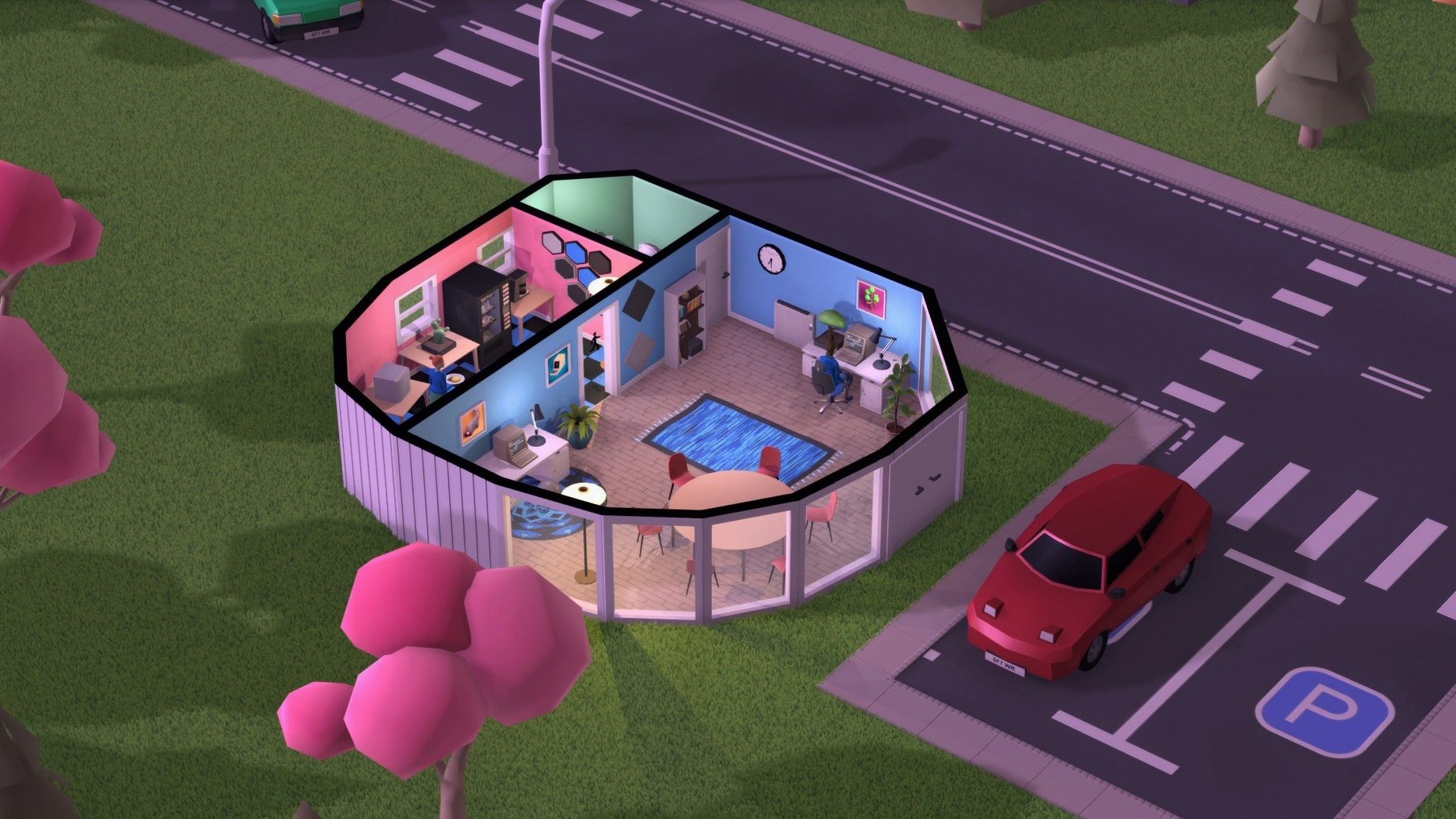
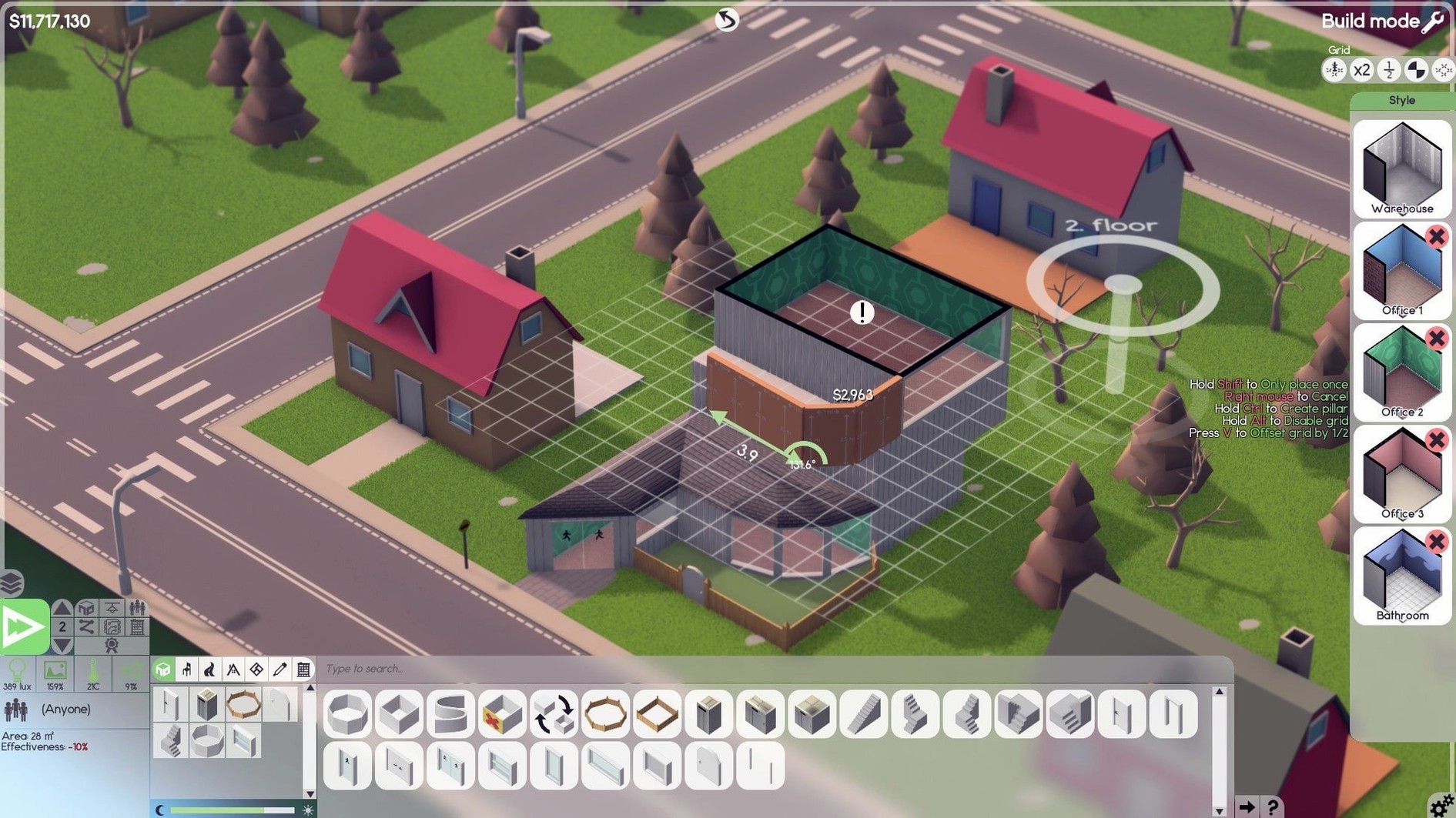
It's for the armchair CEO who'd rather map out a parking lot than shoot an alien. Here's what's actually included in the sandbox.
Build Mode — The raw construction layer. Pour concrete for roads, paint parking spots, and stack offices up to ten floors, basements included. Every wall, desk, and potted plant goes where you drag it.
Franchise System — Spin a hit program into its own brand. Hand it to a leader and watch them manage subordinates across design, development, support, and sales without micromanaging every commit.
Staff Specialization — Hiring isn't a blob. You recruit for design, code, research, support, and software sales. Assign leaders to critical tasks to coordinate development and keep subordinates from wandering.
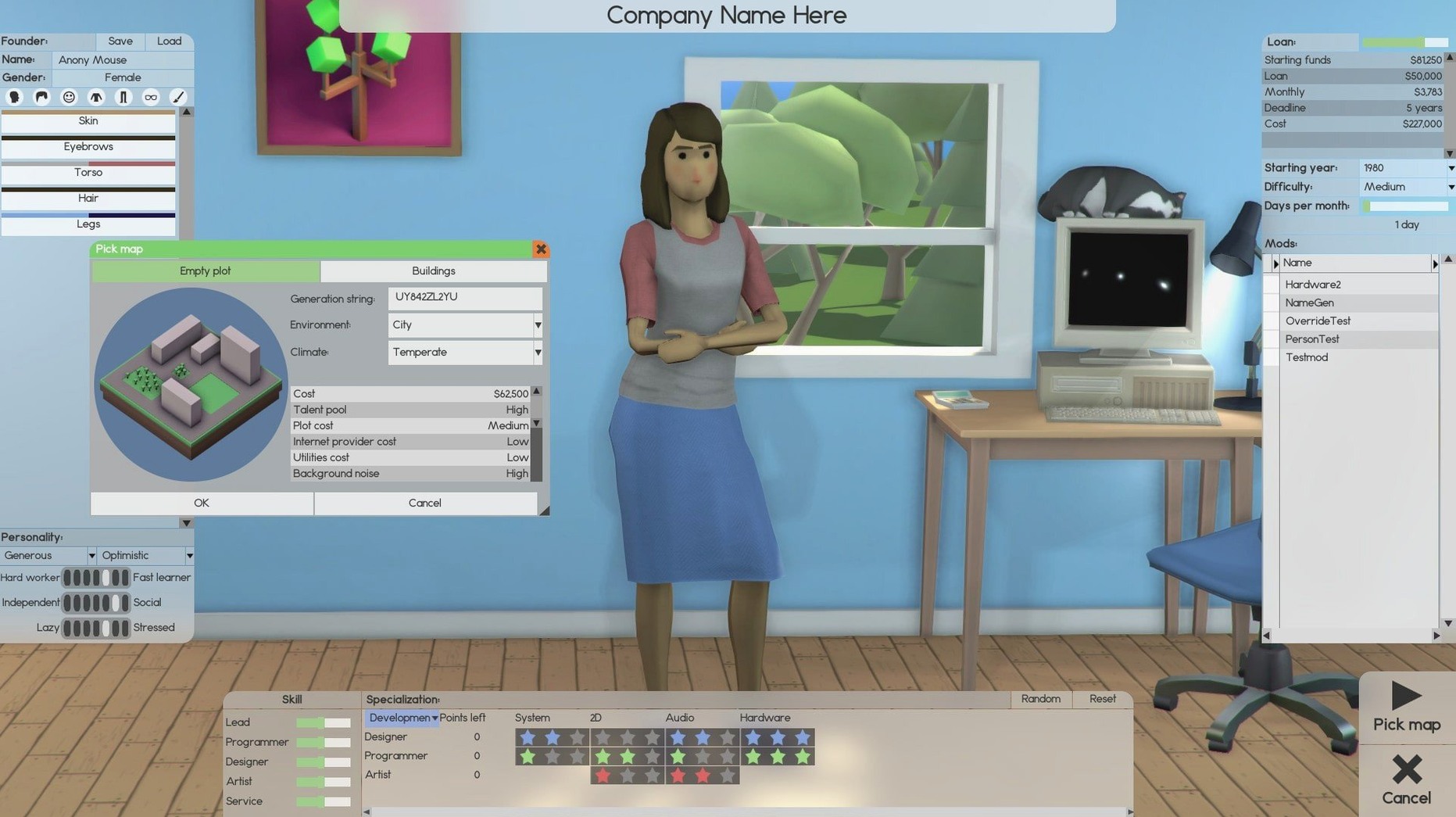
Avatar Customization — Pick your founder. Dress them. It's small, but it sticks your face on the company.
Music Accompaniment — A reactive soundtrack that follows the fiscal year, not the jump scares. Keeps the late-night build sessions from feeling like spreadsheet purgatory.
Start with Two People and a Coffee Machine
Start small. A two‑person team in a rented room beats a ten‑floor tower with empty desks. Your first contract should cover the bills while you prototype something original — support contracts pay fast and don't need marketing.
Place the coffee machine near the design team. It sounds trivial, but walking distance cuts into productive hours, and a caffeinated designer prototypes features faster. Keep the server room away from the break area; noise complaints tank morale and your maintenance crew spends the day chasing repair tickets instead of cleaning.
Hire a leader by day three. Even a mediocre one stops developers from duplicating work. Assign them to a project lead role and they'll auto‑balance tasks across the team. Without one, you'll find three programmers refactoring the same module while the deadline burns.
Check employee relationships before expanding. Two developers who hate each other share a room badly. Move one to research or stick a plant between their desks — the game tracks proximity and personality, and a feud left unchecked slows every build in that room.
Don't sleep on the parking lot. Employees who can't park arrive late, and late staff miss morning meetings. A basic asphalt strip with ten spots costs less than the overtime you're paying.
How an Indie Studio Head Plays It
Maya runs a three‑person video production company in real life. In Software Inc, she built a mirror: a tight team making editing tools, the kind of niche software she actually uses. She started in 1985 mode, rented a basement office, and hired a designer and a developer. No publisher, no shares sold.
The first product — a simple trimming utility — flopped because she skipped research. Competitors already owned the market. She pivoted to a color‑grading plug‑in after noticing the simulation's demand charts spiking for post‑production tools. That one hit.
By year five, Maya had two floors, a support team handling customer tickets, and an online store that sold the plug‑in as a franchise. She promoted her lead developer to leader and let them manage the code side while she focused on office layout and staff happiness. The simulation rewarded her real‑world instinct: know your niche before you build for it.
What kept her playing was the maintenance layer. Furniture breaks. Servers overheat. A cleaning crew that quits leaves trash piling up, and dirty rooms drag down the mood of every employee who walks through them. She found herself scheduling repair shifts around crunch time — exactly the kind of logistics a real studio owner juggles, just compressed into an afternoon session.
Flickering Lights Now Trigger Same-Day Staff Complaints
Beta 1.8.41 tightened the simulation's feedback loops. Employees now react more visibly to room conditions — a cluttered floor or a flickering light sends a notice within the same workday, not days later. That means you catch problems before they snowball into resignations.
Leaders got smarter about subordinate management. Where earlier builds sometimes left idle workers sitting through a sprint, 1.8.41 redistributes tasks faster. If a support agent finishes early, the leader might float them to QA on the next build. You'll notice fewer bottlenecks when two projects ship in parallel.
Road and parking logic received a quiet but meaningful pass. Vehicles no longer stack awkwardly at the lot entrance, and employees with assigned spots arrive within a consistent window. For players who run large campuses, the morning rush feels less like a bug and more like a solvable traffic puzzle.
The soundtrack also got dynamic range adjustments. Late‑night fiscal‑year wraps used to blare the same intensity as midday; now the music pulls back, leaving room for the kind of focused silence that suits a 2 a.m. deadline.
When You’ve Burned Out on City Builders and Tycoon Games
Simulation veterans who've exhausted city builders and tycoon games find the layered systems here — construction, staffing, product design, and market competition — scratch an itch that single‑layer sims don't reach. The office‑building half alone rivals dedicated architecture games, and the software‑development half adds consequences to every floor plan decision.
Actual developers and studio managers often treat it as a distorted mirror. The game abstracts coding into sliders and team assignments, but the tensions — scope creep, competitor timing, employee burnout — map eerily well to real stand‑ups. You'll catch yourself delaying a feature for market research the same way you would in production.
Players who love the early‑game grind thrive here. Starting from a garage with one computer and bootstrapping a franchise over two decades rewards patience more than most tycoon games. Every desk you add feels earned because you placed the walls around it and hired the person sitting at it.
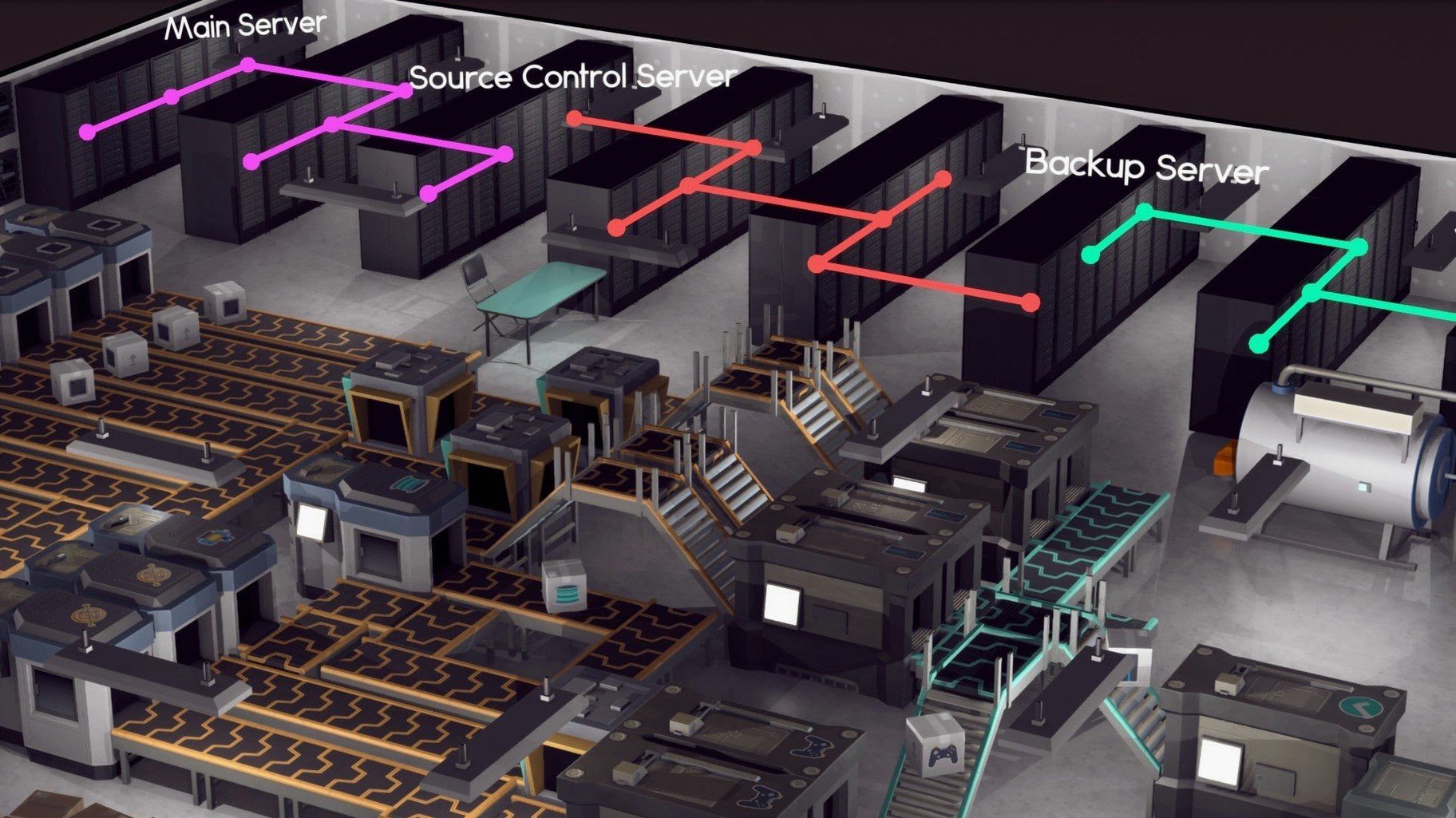
If you search for software inc download free or a Software Inc cracked build, you're likely after the full sandbox without friction. The simulation's depth justifies the install — whether you're laying fiber‑optic cables between server racks or just enjoying the weirdly soothing act of painting parking lines on a Tuesday morning, the game hands you a company and says: figure it out.
- Intel 64-bit or Apple Silicon Mac
- Interface language: English
Questions I actually get
Is this the full release or early access?
The game is currently in early access, so systems are deep but still expanding.
Does it run on Apple Silicon?
Yes, it supports both ARM and 64-bit x86 architecture, so M1 through M3 Macs are covered natively.
What kind of game is it really?
It's a strategy simulation where you manage offices, staff, and product franchises—not a tycoon clicker.
Notes from the edit bay · 0
Sign in or get an edit-bay pass to leave a note.
No notes from the edit bay yet. They go up after I read them.