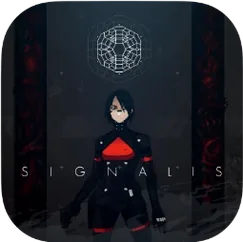
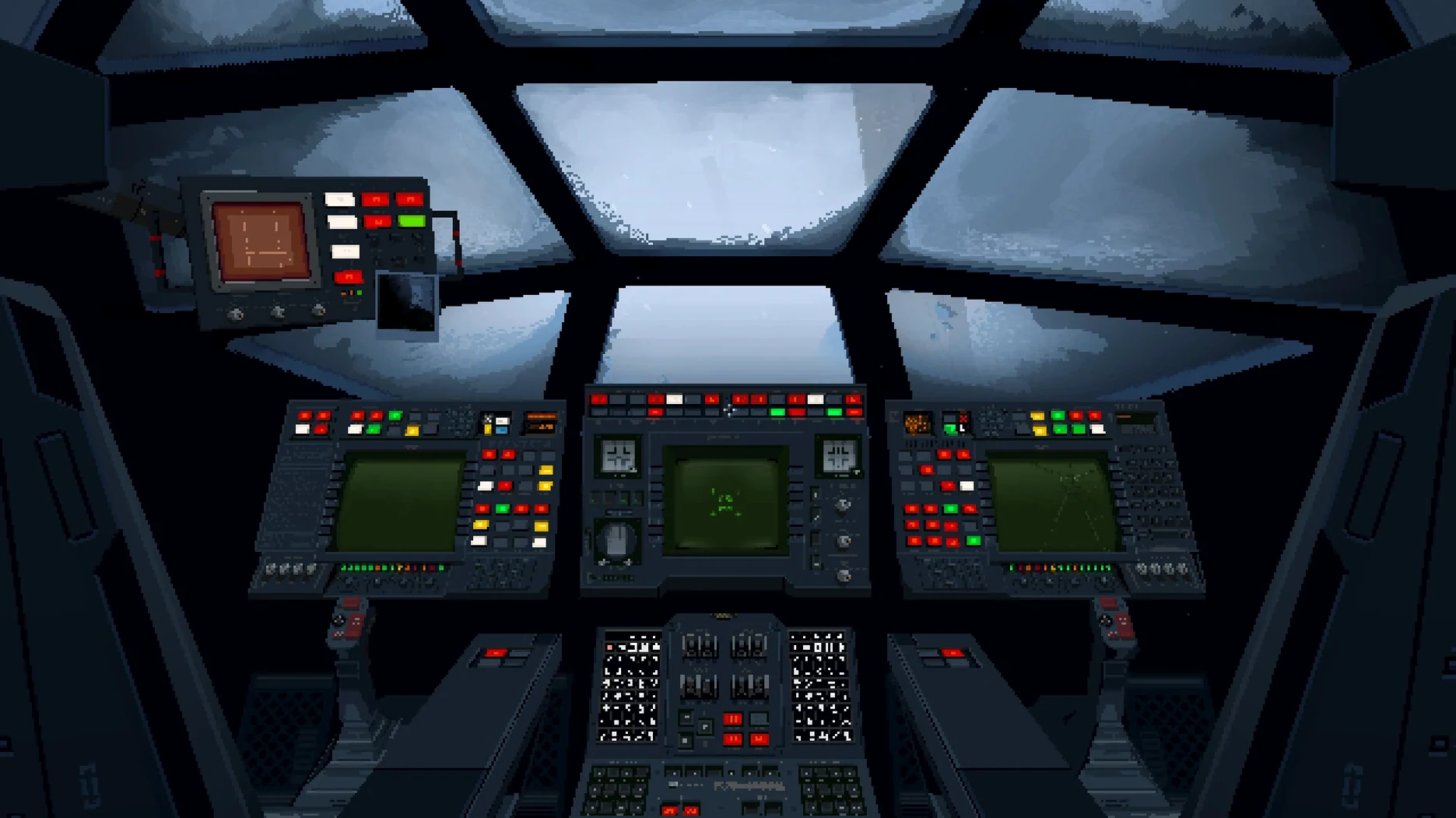
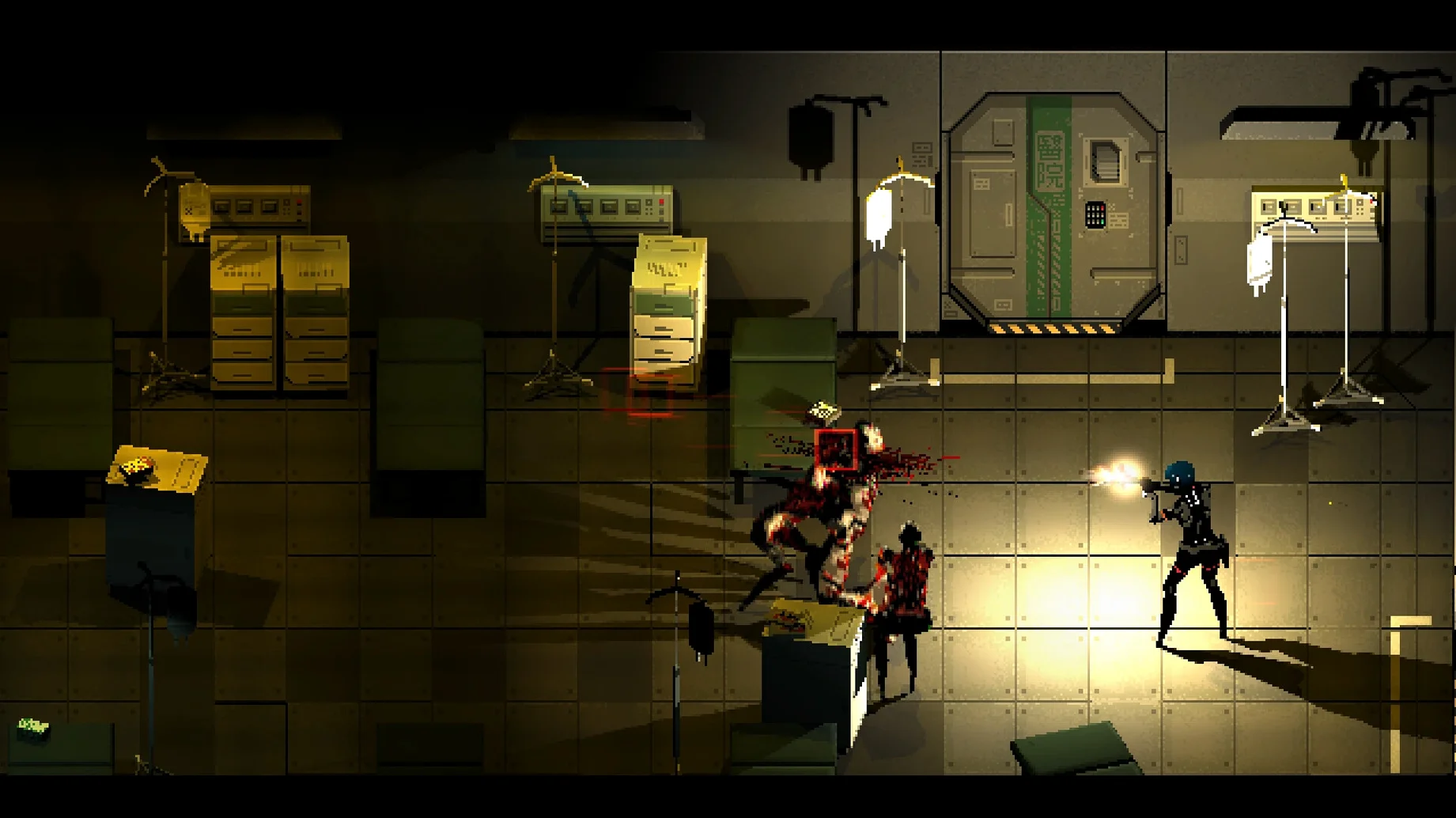
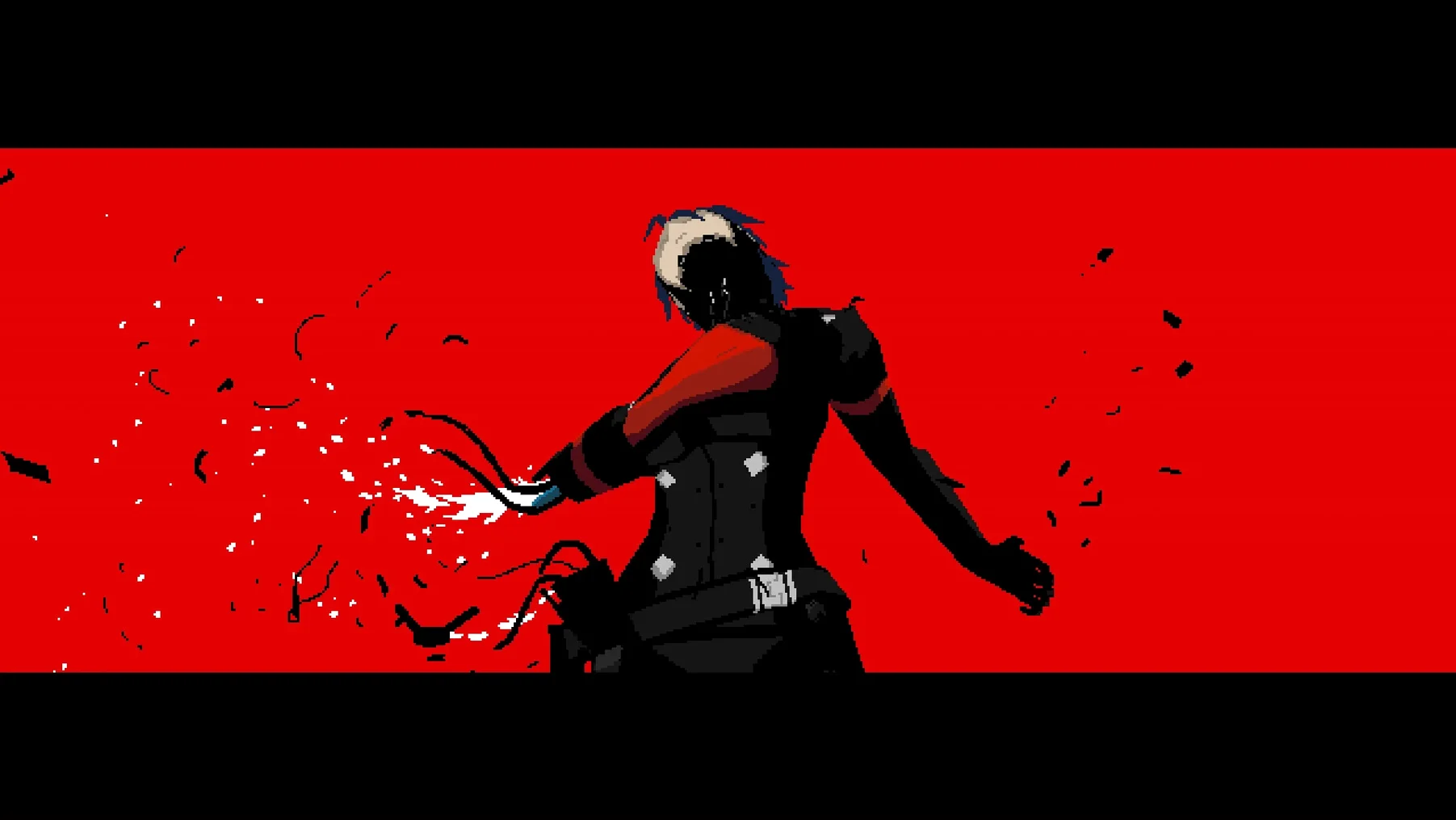
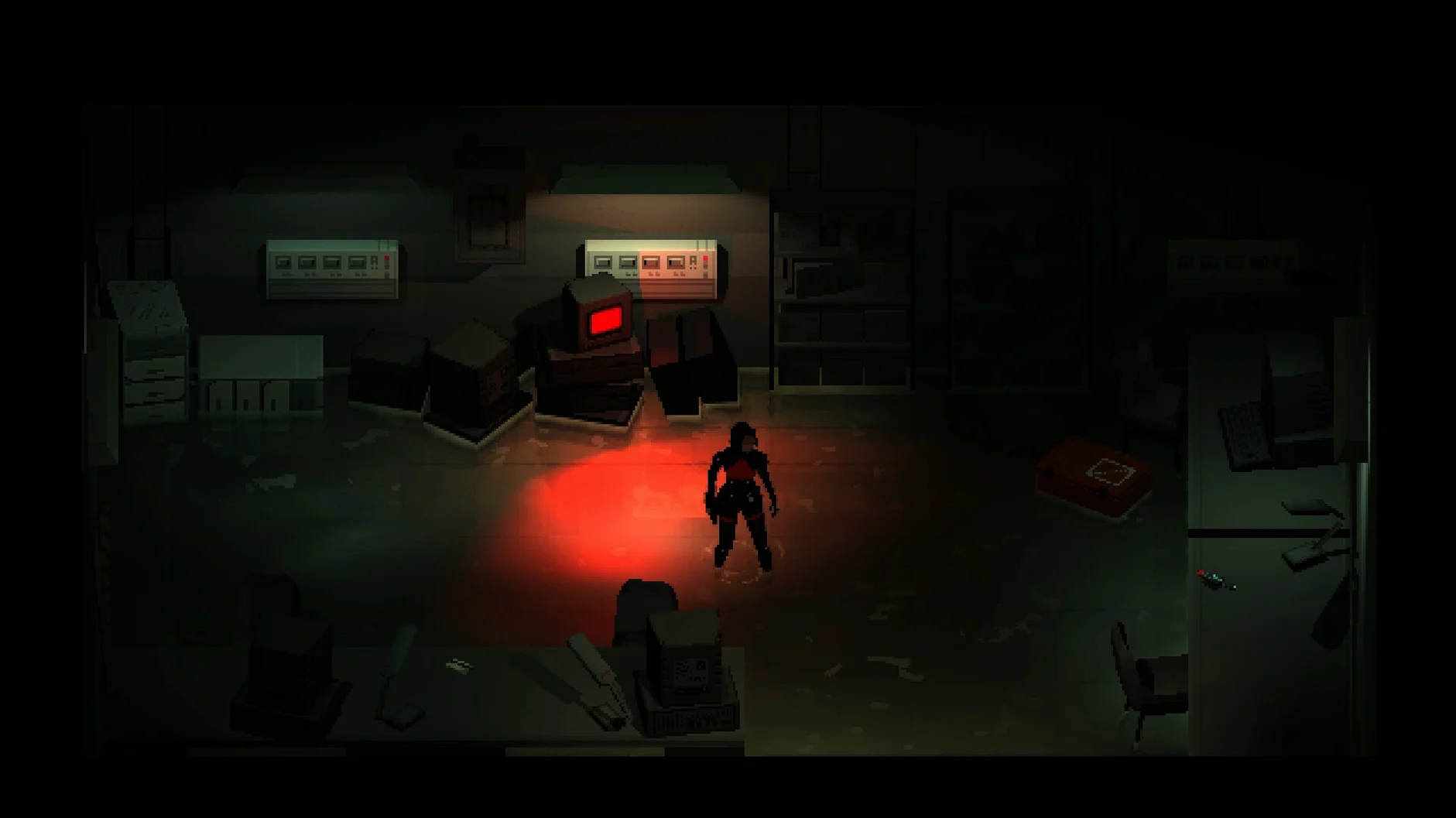
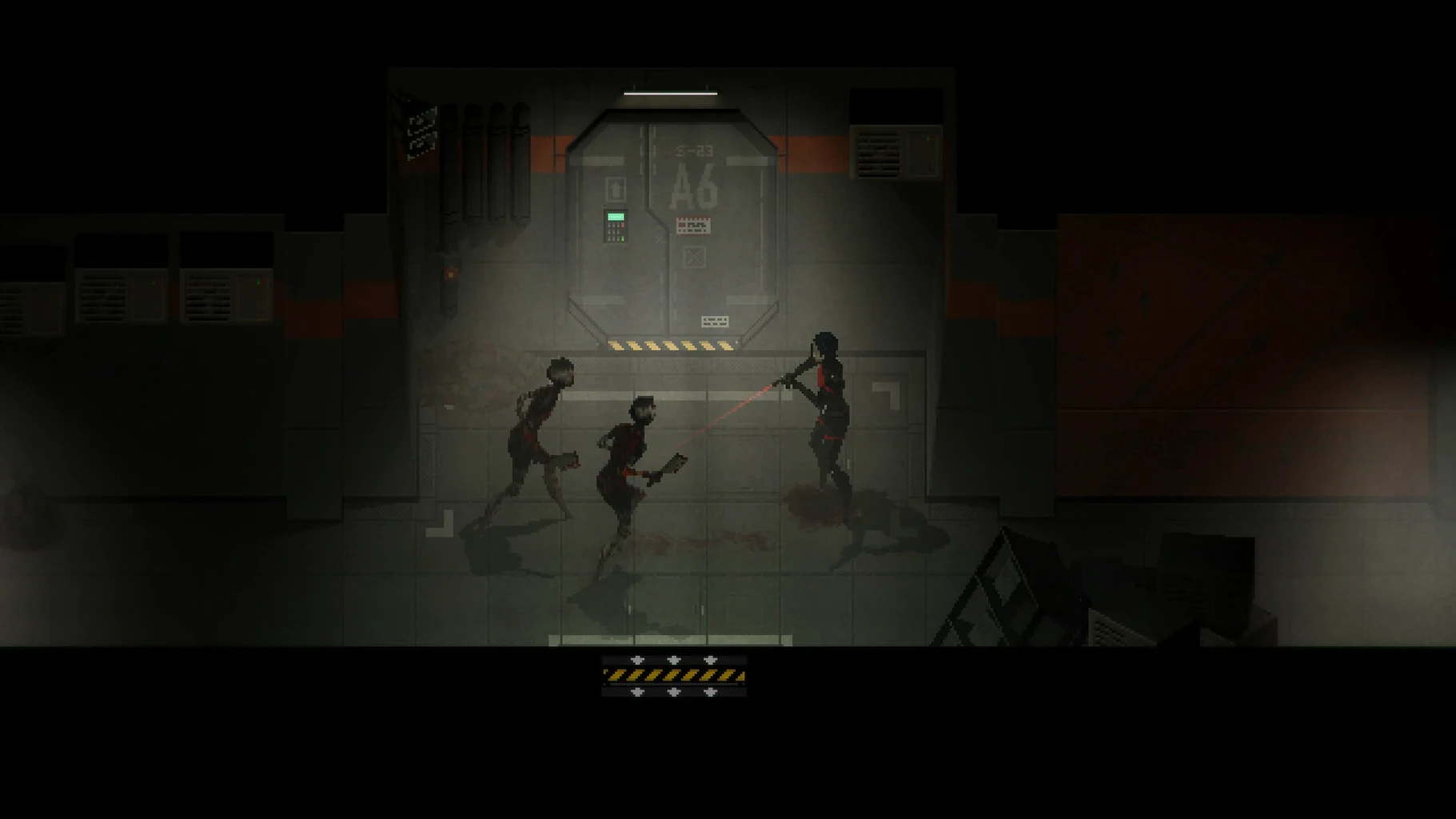
One crashed ship. That's the concrete start. Elster, a Replika technician, wakes from cryosleep on a derelict vessel with no crew in sight. SIGNALIS wastes no time dropping you into a dystopian future where humanity has spread across the solar system, and something has gone very, very wrong.
Atmosphere Over Action, Story Through Static
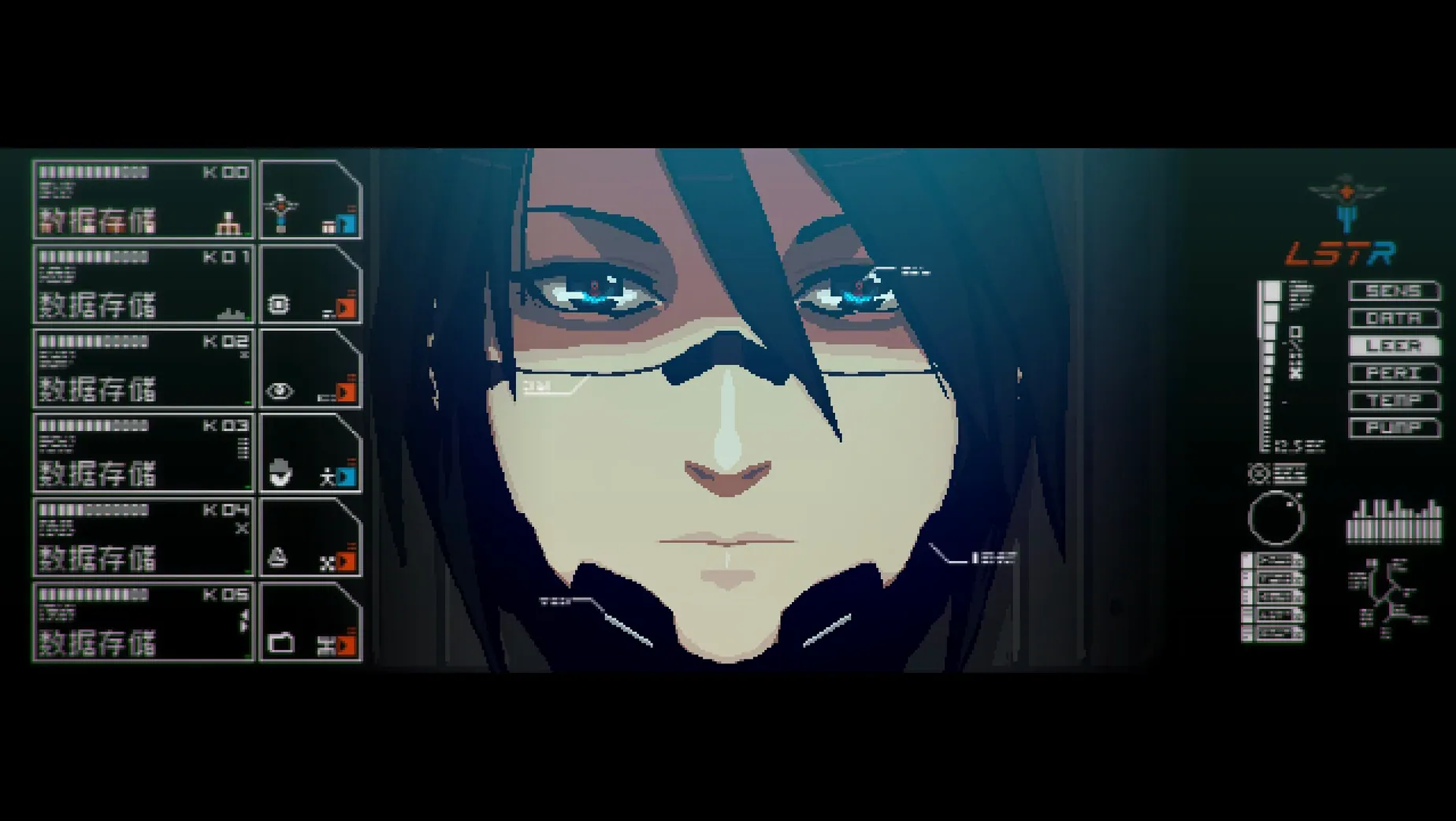
- Players who value atmosphere over action. The sparse, deliberate pacing and transparent HUD effects pull you into a cold, lonely world.
- Anyone who studies environmental storytelling. Notes, radio static, and flickering screens carry the narrative more than dialogue.
- Fans of classic survival horror with limited inventory and puzzles that require actual thought.
Scarcity Punishes Combat, Ambiguity Defies Easy Answers
- This is not a power fantasy. Resource scarcity is real, and combat often punishes you for engaging.
- The story leans into ambiguity. If you need a tidy ending, the abstract, layered narrative might frustrate you.
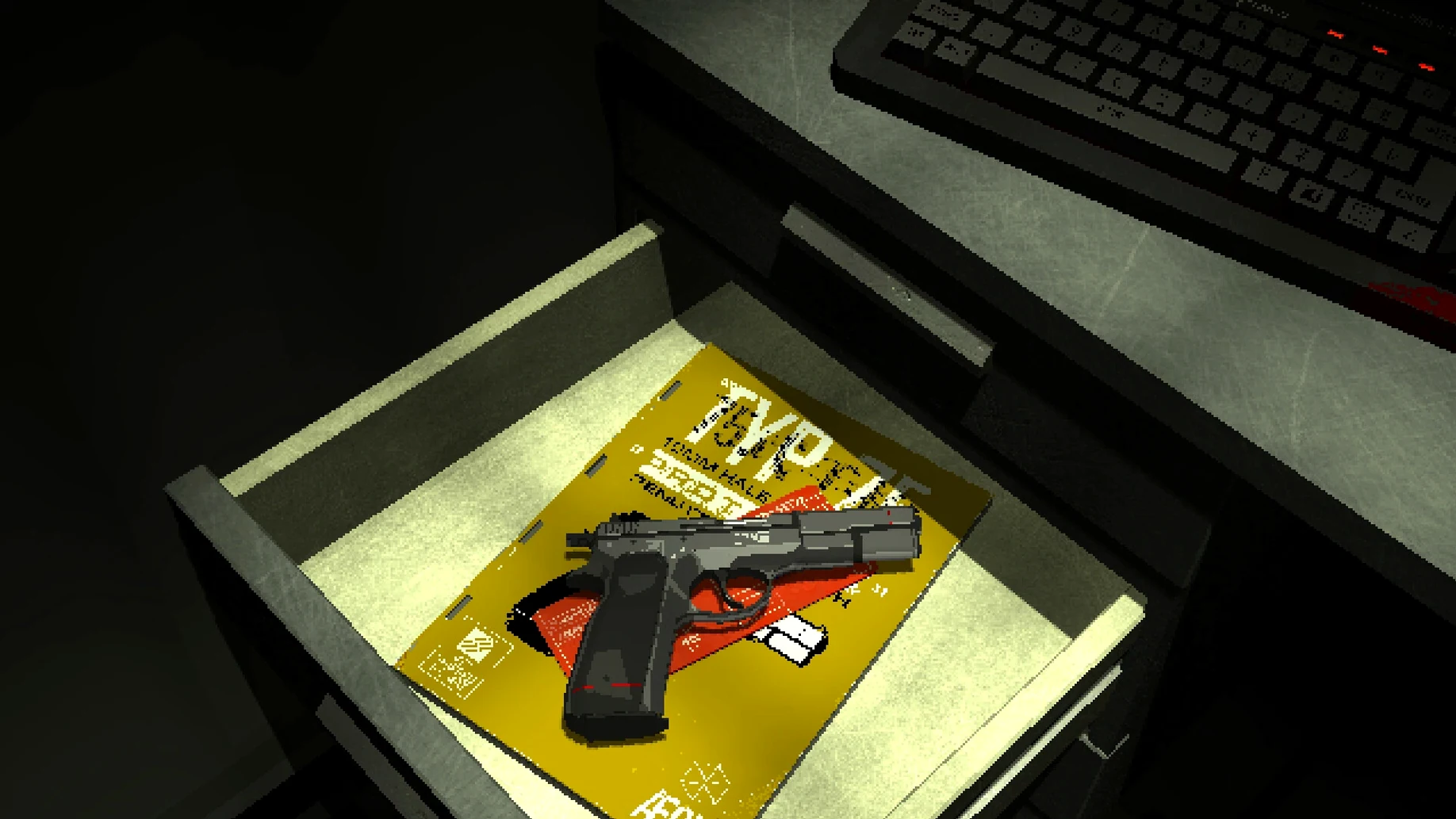
- You will manage a six-slot inventory. Figure out what matters and leave the rest.
The Late-Night Slot After the Render Queue Empties
SIGNALIS isn't the game you double-click between Zoom calls. It lands squarely in what I'd call the late-night slot — that window after rendering wraps, when the timeline is locked and your brain needs something heavy enough to purge the day's client notes.
On Apple Silicon, it plays nice with macOS focus modes. I mapped a Shortcut that fires up the game and flips the Display preset to a cooler white point — the snowbound corridors on Leng actually hit different without Night Shift bleeding warmth into the grays. The game respects resolution scaling natively, so if you're running it on a Studio Display alongside a reference monitor, it parks cleanly on one screen without hijacking both.
Controller support sits where you'd expect. A DualSense connected over Bluetooth maps perfectly; the adaptive triggers don't fire any haptic tricks, but the stick response through the dead zones feels deliberate — that slight drag on Elster's turn speed is part of the tension, not input lag. If you're deep in the Final Cut ecosystem, you already know the muscle memory of scrubbing through a magnetic timeline. SIGNALIS rewards that same kind of patient, frame-by-frame attention to detail.
Set Your Language Before the First Save
Right after the disk image mounts and you drag the app into Applications, do two things. First, run through the settings menu before starting a new game. The text languages are buried there — eight options, and switching mid-save requires a restart, so lock it in early. Second, if you get a launch error, the Fix file in the DMG handles it in seconds. No digging through forums.
In the opening hour, fight the instinct to hoard ammo the way you'd protect a master clip. The game teaches you quickly that a loaded pistol is less useful than an open inventory slot when you're three rooms deep and find a key item. My rule after multiple restarts: carry one healing item, one weapon, and keep the other four slots for puzzle objects. You'll backtrack less.
Also worth noting — the signalis mac full version runs with music accompaniment only, no spoken dialogue. That silence is a deliberate choice. Crank the volume or wear closed-back headphones; the environmental drones and radio static carry cues you'll miss on laptop speakers. On a Mac mini M4, I kept Activity Monitor open during the first session out of habit. CPU sat near idle. This build barely touches the efficiency cores.
A Sound Designer's Playthrough
Picture a post-production sound editor wrapping a documentary mix at 11 PM. The timeline is bounced, the stems are delivered, and the ears need a reset. They launch SIGNALIS not for the scares, but for the soundstage.
The first corridor on the Penrose-512 hums with a low 60 Hz drone layered under intermittent metallic pings — the kind of detail you start analyzing when you spend all day aligning room tone. An hour in, they're not just solving the plate puzzle in the medical wing; they're cataloging how the reverb tail changes when Elster steps from tile to carpet. The inventory screen clicks are crisp, short-attack transients. The radio static has a band-pass filter sweep that ramps as you approach a corrupted Replika.
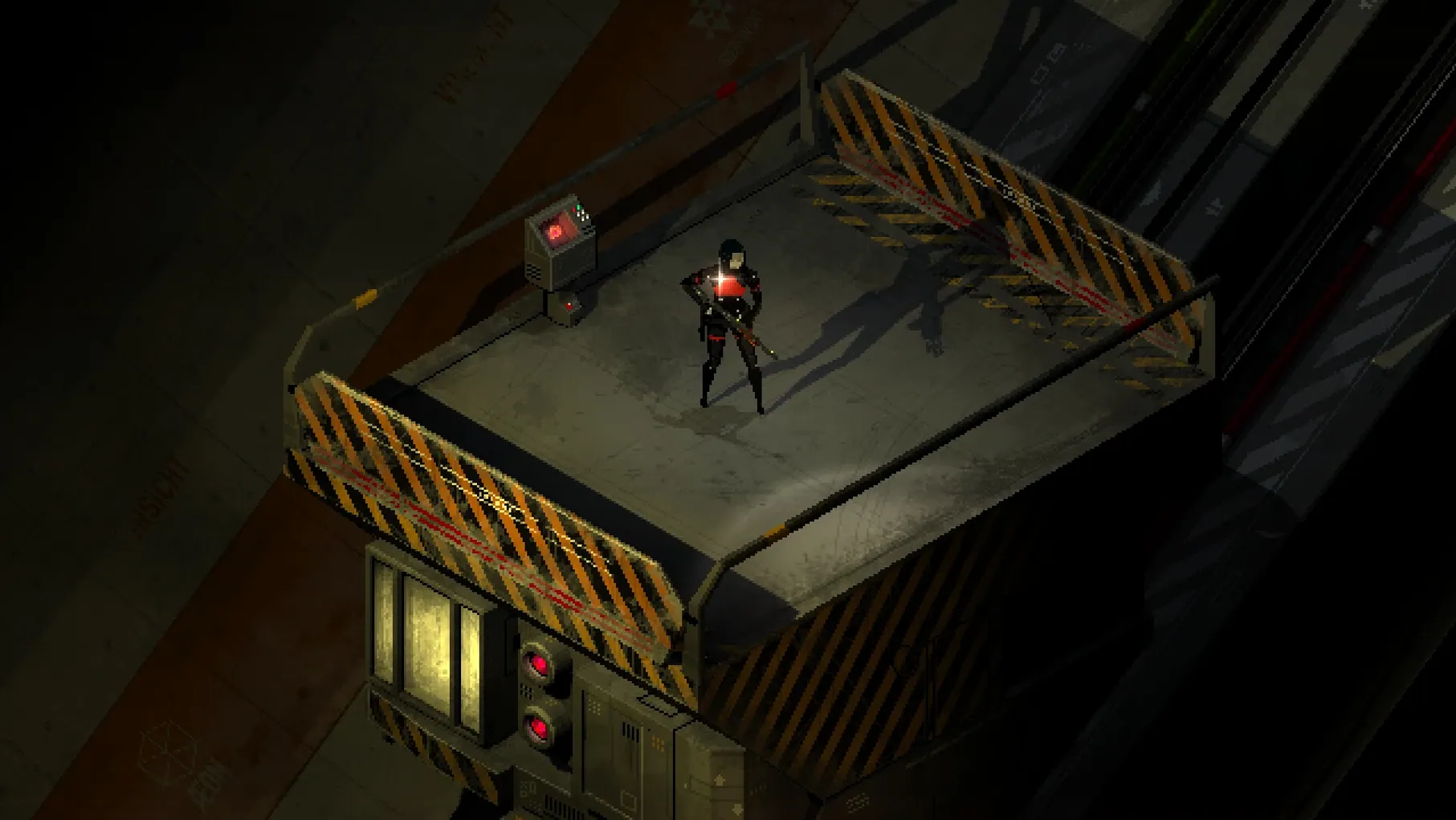
By the time they reach the first save room — that red square on the floor, the clunk of the interface — the game has done its job. The brain is no longer thinking about a client's revision notes. It's thinking about signal-to-noise ratios in a dying world, and that's exactly the mental shift a good game delivers.
- Architecture: Apple Silicon
- Tested on: macOS Tahoe, Mac mini 2024 M4
Questions I actually get
What kind of hardware does SIGNALIS need on a Mac?
The current build requires Apple Silicon and was tested on macOS Tahoe running on a Mac mini 2024 M4.
Can I play SIGNALIS in a language other than English?
Yes, the interface includes Russian, German, Spanish, Simplified Chinese, Korean, French, and Japanese, switchable in the game settings.
Notes from the edit bay · 0
Sign in or get an edit-bay pass to leave a note.
No notes from the edit bay yet. They go up after I read them.